
Continuous Glucose Monitors

CGM systems give users a picture of blood sugar levels in real time, helping to identify trends while replacing the need for fingersticks. Here's what you need to know about getting started and using this powerful diabetes technology.
Continuous glucose monitors (CGM) are one of the most significant inventions in the history of diabetes care. These devices provide glucose readings in real-time by sensing the glucose present in tissue fluid (also called interstitial fluid).
CGM devices are usually worn on the arms, legs, stomach, and upper buttocks and are about the size of a few stacked coins. Newer CGM systems have more discreet sensors and integrate with automated insulin delivery (AID) systems, helping people with diabetes improve their time in range (70-180 mg/dL).
This guide describes the main features of each of the commercial CGM systems available today. Here you'll find information on the necessary components and a summary of how each system works.
What’s the difference between blood glucose meters and CGM?
While a blood glucose meter (BGM), often referred to as a “finger prick test,” provides a measurement of the blood glucose level at a specific moment in time, CGMs provide a new glucose reading every one to five minutes. This translates to anywhere between 288 and 1,440 readings per day.
BGM could be compared to a photo, providing a single blood sugar “snapshot,” while a CGM is like a slow motion video, providing a constant stream of information on glucose levels, trends, and overnight data.
CGMs are particularly useful after meals and overnight, as they can sound an alert when glucose levels drop or rise below a preset threshold.
Some CGMs need to be calibrated periodically with a fingerstick blood sugar reading using a blood glucose meter to achieve optimal sensor accuracy, though most newer models come pre-calibrated and do not require fingersticks.
What supplies do I need to use a CGM?
CGM systems consist of three basic components:
- Sensor: The sensor measures real-time glucose levels, usually every minute or five minutes. The sensor is inserted under the skin by the user with a simple applicator. Sensors are normally worn for 7-14 days, depending on the system. The exception is a system like the Eversense 365, which is implanted under the skin and can be used for up to a full year (by those 18 and older).. Fingerstick calibrations are needed once a week after day 13.
- Transmitter: This sends glucose information to a receiver or a smartphone app. CGM systems have a transmitter that is either combined with the sensor or is reusable for 3-12 months. Newer CGMs, such as the FreeStyle Libre 3 and Dexcom G7, have an integrated sensor and transmitter.
- Smartphone app or receiver: This displays real-time glucose levels, whether glucose is trending up or down, and a history of readings. Most CGMs offer smartphone apps for viewing glucose readings. Abbott and Dexcom also offer handheld devices for people who don’t use smartphones or prefer a separate device for alerts. Some CGM devices also send the glucose value to an insulin pump or an AID system.
Who uses CGM systems?
In short, anyone with diabetes can use a CGM.
For people with type 1 diabetes and insulin-treated type 2 diabetes, CGM systems are especially valuable for safety, as they provide alerts when glucose drops and can predict hypoglycemia.
For people with type 2 diabetes who are not on insulin, CGM sensors reveal how glucose levels respond to different foods and exercise. This can help support lifestyle changes to help manage diabetes.
While CGM use was initially designed for people with type 1 diabetes, there is growing recognition of its value for people with type 2 diabetes. As a result, more and more insurance companies are covering CGM systems for people with type 2 diabetes who use insulin or who have a history of hypoglycemia.
In addition, over-the-counter CGM systems like Dexcom's Stelo and Abbott's Lingo are designed for people with type 2 who don't take insulin (these devices can also be used by people without diabetes to learn more about their metabolic health). These aren't covered by insurance and don't have features found in prescription CGMs – such as glucose alarms, remote data sharing, and the ability to pair with AID systems.
Remote monitoring of CGM data
A final benefit of CGM is remote monitoring. This function allows for a person’s glucose numbers or CGM data to be shared with others. This option is now available for many CGM devices. For instance, Dexcom allows 10 people to remotely follow CGM readings, while the LibreLinkUp App for FreeStyle Libre sensors allows up to 20 people to remotely track glucose data.
Remote monitoring can be used to give peace of mind to loved ones. For example, a traveling spouse can share their CGM data with family at home, or a child at a sleepover can share sugar levels with their parents. People also use remote monitoring to send updates directly to their healthcare team.
What are the benefits and drawbacks of using a CGM?
Studies have shown that people who use CGM see improvements in A1C, reduced hypoglycemia, and increased time in range.
In addition to illustrating how diet affects blood sugar levels, CGM systems can be a helpful tool for exercise – specifically, for preventing exercise-induced hypoglycemia. CGM use is also valuable in pregnancy, helping to reduce the burden of diabetes management and leading to better health outcomes for newborns.
One key drawback to wearing a CGM sensor is the potential for information overload due to the sheer volume of data throughout the day. For some people, this could lead to diabetes distress or trigger disordered eating.
CGM systems are designed to ensure safety, and blood sugar alerts are a key feature. Ensuring audio or vibration alerts are noticed is essential. The FDA has warned users of missed CGM audio alerts, for example, after pairing smartphones with wireless headphones or car stereos. In other cases, it's unclear why audio alerts aren't missed. It's important to regularly test that alerts are working – especially overnight. You can set up backup alarms, such as phone calls using free apps, or purchase a separate device that provides alerts (see our story: How To Make Sure You Receive Critical Blood Sugar Alerts).
What CGM systems are available?
Below is a list of currently available continuous glucose monitors. Please note that this is not a comprehensive list of all the rapidly improving resources or products available.
Dexcom G7
The G7 is Dexcom's latest CGM sensor, which combines a sensor and transmitter into one small device.
Who can use it: People with type 1, type 2, and gestational diabetes, ages 2 and older. The G7 15 Day is approved for those 18 and older.
Fingerstick calibration: Not required
Warm-up time: 30 minutes
Wear time: The G7 can be worn for 10 days, and the G7 15-Day is now available.
Alarms for lows and highs?: Yes
Data display: Receiver, Android and iPhone apps, smartwatches
On-body form and transmitter design: The size of roughly three stacked quarters, with a fully disposable transmitter integrated with a sensor patch
AID integration: G7: iLet Bionic Pancreas, Omnipod 5, Tandem t:slim X2 and Mobi, and open-source systems (Loop, Trio). G7 15 Day: the iLet Bionic Pancreas and the Omnipod 5, with compatability planned with Tandem's AID systems.
Dexcom G6
The G6 uses a separate sensor, which is inserted into a transmitter before use.
Who can use it: Ages 2+
Fingerstick calibration: Not required
Warm-up time: 2 hours
Wear time: 10 days
Alarms for lows and highs?: Yes
Data display: Receiver, Android and iPhone apps, smartwatches
On-body form and transmitter design: Eraser-sized sensor, separate three-month use transmitter
AID integration: Tandem t:slim X2, Insulet Omnipod 5, iLet Bionic Pancreas
Dexcom One (Europe only)

The Dexcom One resembles the G6 and is sold only in Europe. The system provides fewer features than the G6 at a lower price. The CGM doesn't share readings with a follower, integrate with AID systems, or offer predictive low alerts.
Who can use it: Ages 2+ with type 1, type 2, or gestational diabetes.
Fingerstick calibration: Not required
Warm-up time: 2 hours
Wear time: 10 days
Alarms for lows and highs?: Yes
Data display: Receiver, Android and iPhone apps
On-body form and transmitter design: Eraser-sized sensor, separate three-month use transmitter
AID integration: None
Dexcom ONE+ (Europe only – Spain, Belgium, Poland, and the Netherlands)
The Dexcom One+ uses the same hardware as the G7 but is sold in Europe as a budget option, with fewer features. Like the Dexcom One, this CGM doesn't include predictive low alerts, the ability for a follower to receive glucose readings, and doesn't work with AID systems.
Who can use it: Ages 2+ and in pregnancy
Fingerstick calibration: Not required
Warm-up time: 2 hours
Wear time: 10 days
Alarms for lows and highs?: Yes
Data display: Receiver, Android and iPhone apps
On-body form and transmitter design: The size of roughly three stacked quarters, with a fully disposable transmitter integrated with a sensor patch
AID integration: None
Stelo by Dexcom 
The Stelo is an over-the-counter CGM meant for people with prediabetes or type 2 diabetes who don't take insulin.
Who can use it: Adults 18+ who are not on insulin
Fingerstick calibration: Not required
Warm-up time: Unknown
Wear time: 15 days
Alarms for lows and highs?: None
Data display: No receiver, Android and iPhone apps
On-body form and transmitter design: The size of roughly three stacked quarters, with a fully disposable transmitter integrated with a sensor patch
AID integration: None
Abbott Freestyle Libre 3 Plus
The Libre 3 Plus is Abbott's most advanced CGM. The system provides blood sugar readings every minute and can be worn for up to 14 days.
Who can use it: Ages 2+ and in pregnancy
Fingerstick calibration: Not required
Warm-up time: 1 hour
Wear time: 15 days
Alarms for lows and highs?: Yes
Data display: Reader, Android, and iPhone apps
On-body form and transmitter design: Sensor is smaller than two stacked pennies; no separate transmitter
AID integration: Tandem t:slim X2, iLet Bionic Pancreas, and Sequel twiist..
Abbott Freestyle Libre 2 Plus

The Libre 2 Plus can be worn for up to 15 days and is slightly larger than the newer Libre 3 Plus.
Who can use it: Ages 2+ and in pregnancy
Fingerstick calibration: Not required
Warm-up time: 1 hour
Wear time: 15 days
Alarms for lows and highs?: Yes
Data display: Reader, Android and iPhone apps
On-body form and transmitter design: Around the size of two stacked quarters; no separate transmitter
AID integration: Insulet Omnipod 5
Abbott Libre Rio

The Rio is a CGM for people with type 2 diabetes who aren't on insulin. The sensor is the same size and shape as the FreeStyle Libre 2.
Who can use it: Adults ages 18+ who are not on insulin
Fingerstick calibration: Not required
Warm-up time: Unknown
Wear time: 15 days
Alarms for lows and highs?: None
Data display: Android and iPhone apps or scanned with a reader
On-body form and transmitter design: The size of roughly three stacked quarters, with a fully disposable transmitter integrated with a sensor patch
AID integration: None
Guardian 4
The Guardian 4 sensor measures glucose every five minutes and works for seven days. It’s compatible with Metronic's MiniMed 780G AID system, providing CGM readings for automated insulin dosing and corrections.

Who can use it: Ages 7+
Fingerstick calibration: Not required
Warm-up time: 2 hours
Wear time: 7 days
Alarms for lows and highs?: Yes
Data display: MiniMed mobile app for users and CareLink connect app for healthcare providers. Available on Android and iPhone apps
On-body form and transmitter design: The size of roughly two stacked quarters (clamshell), separate rechargeable transmitter
AID integration: MiniMed 780G
Medtronic Simplera 
The Simplera is half the size of Medtronic's Guardian 4 sensor and is worn on the back of the upper arm. The device has two versions: The Simplera works with the company's smart insulin pen (the InPen), and the Simplera Sync integrates with the MiniMed 780G AID system.
Who can use it: Ages 2+
Fingerstick calibration: Not required
Warm-up time: 2 hours
Wear time: 7 days
Alarms for lows and highs?: Yes
Data display: Android and iPhone apps
On-body form and transmitter design: Small, flat, square shape with rounded corners; sensor and transmitter combined in one disposable device
AID integration: The Simplera Sync pairs with Medtronic's 780G AID system
Eversense 365
Eversense makes the only one-year CGM, which is implanted just under the skin by a healthcare provider. A removable transmitter sits above the sensor, using an adhesive silicone patch that is changed daily.
Who can use it: Ages 18+
Fingerstick calibration: Four fingerstick calibrations are needed, two to 12 hours apart, to begin using the device. Readings can appear after the second calibration. For the first 13 days, a daily fingerstick calibration is needed, then one calibration every seven days.
Warm-up time: 24 hours
Wear time: 1 year
Alarms for lows and highs?: Yes
Data display: Android and iPhone apps
On-body form and transmitter design: Sensor surgically inserted by a healthcare professional, separate rechargeable, watchface-sized transmitter
AID integration: The CGM is FDA approved for use with Sequel’s twiist system
The bottom line
CGM devices display glucose readings every one to five minutes (depending on the model), eliminating the need for fingersticks. These systems can help people with type 1 and type 2 diabetes improve their time in range, avoid low and high blood sugar, and learn how food, activity, stress, and medications affect glucose levels.
Newer CGMs pair with AID systems and smartphone apps to help manage blood sugar levels. Remote monitoring features allow family members, caregivers, and health care professionals to track readings and spot trends.
Current CGM options vary in who they're designed for and how long they can be worn. Wear time varies from seven to 15 days. Some CGM systems are approved for use in young children and pregnancy. Over-the-counter options like Dexcom One+ and Abbott's Libre Rio are designed for people with type 2 diabetes who are not using insulin. For those who want fewer sensor changes, Eversense offers a one-year implantable CGM.
Learn more about CGM systems here:
Latest Articles About CGMs
See All CGM News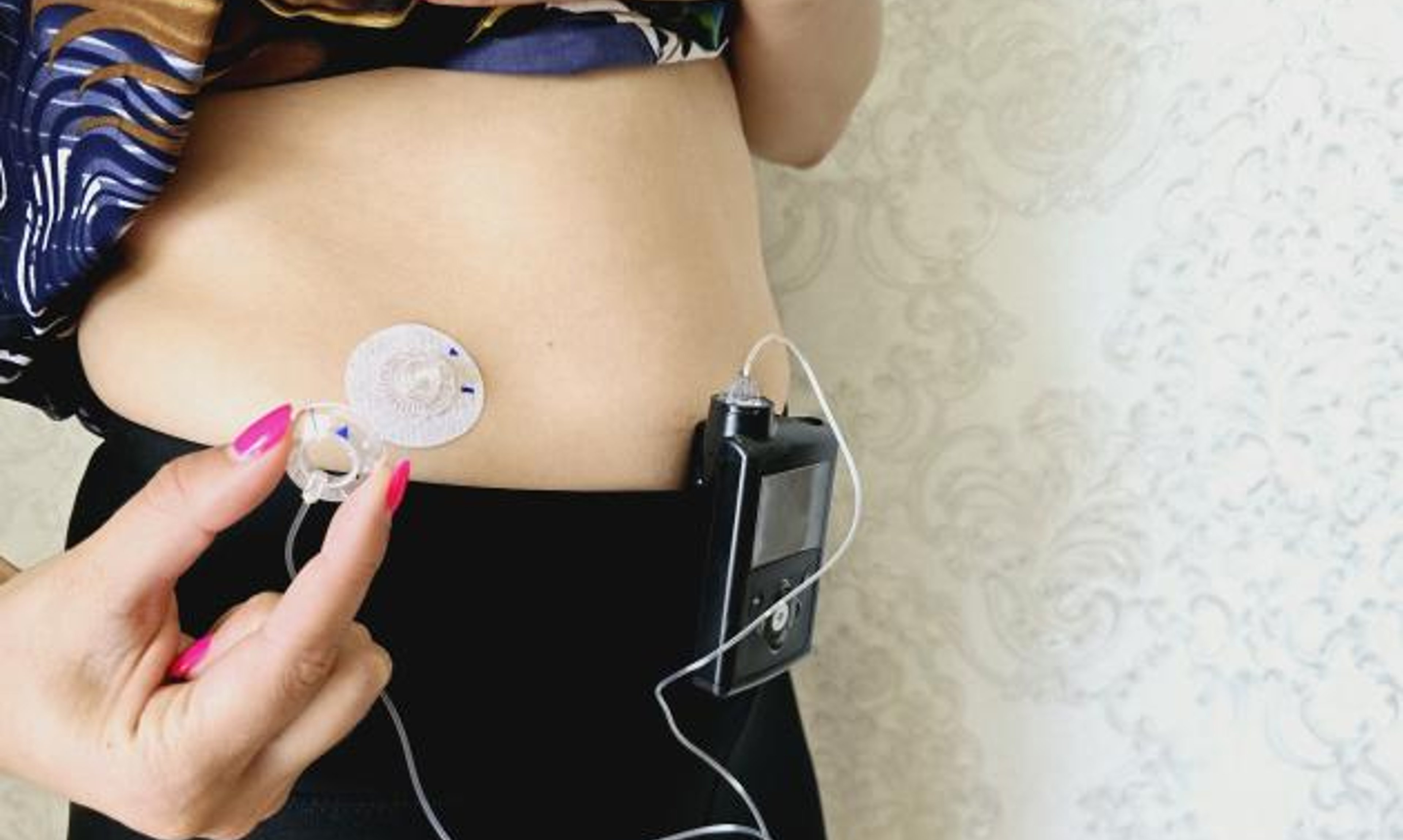
Diabetes Technology: Choosing What’s Best for You
Key takeaways: * Continuous glucose monitors, insulin pumps, and automated insulin delivery systems help people with diabetes who use insulin spend more time in range. * Many people have been using wearable devices for years now, and there’s plenty of practical advice available for people just getting started. * Connected pens and inhaled insulin offer additional insulin delivery methods for people with diabetes looking for options beyond or in addition to pumps.
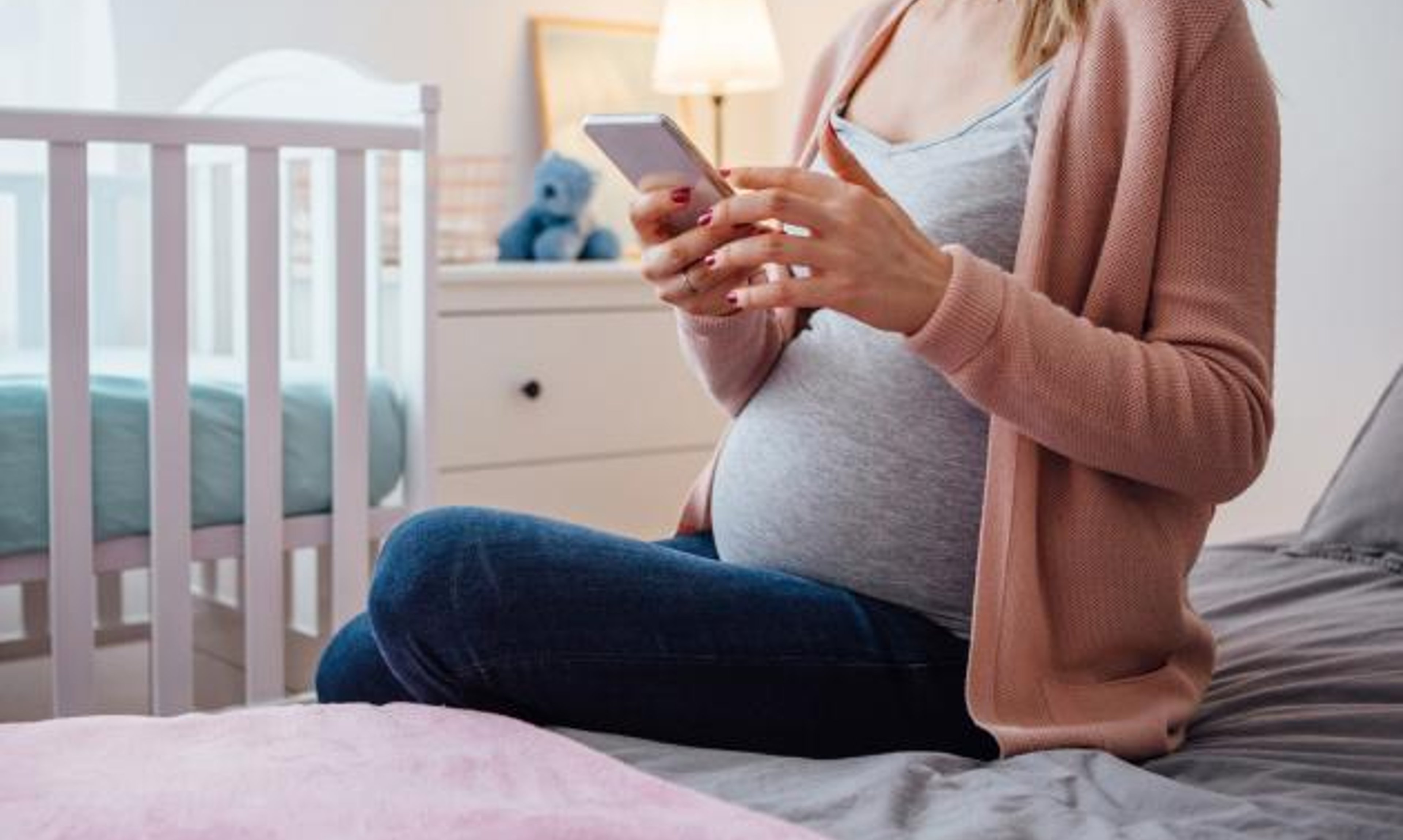
Planning for Pregnancy With Diabetes: Hope, Support, and Smart Tools
Key takeaways: * Most women with diabetes today can look forward to a healthy pregnancy, even though managing diabetes during this time takes extra effort and support. * The right team, early planning, and diabetes technology can make pregnancy safer and more manageable, no matter what type of diabetes. * Diabetes technology can ease some of the burden, but insurance gaps and limited access – especially for people with type 2 diabetes – remain a barrier.
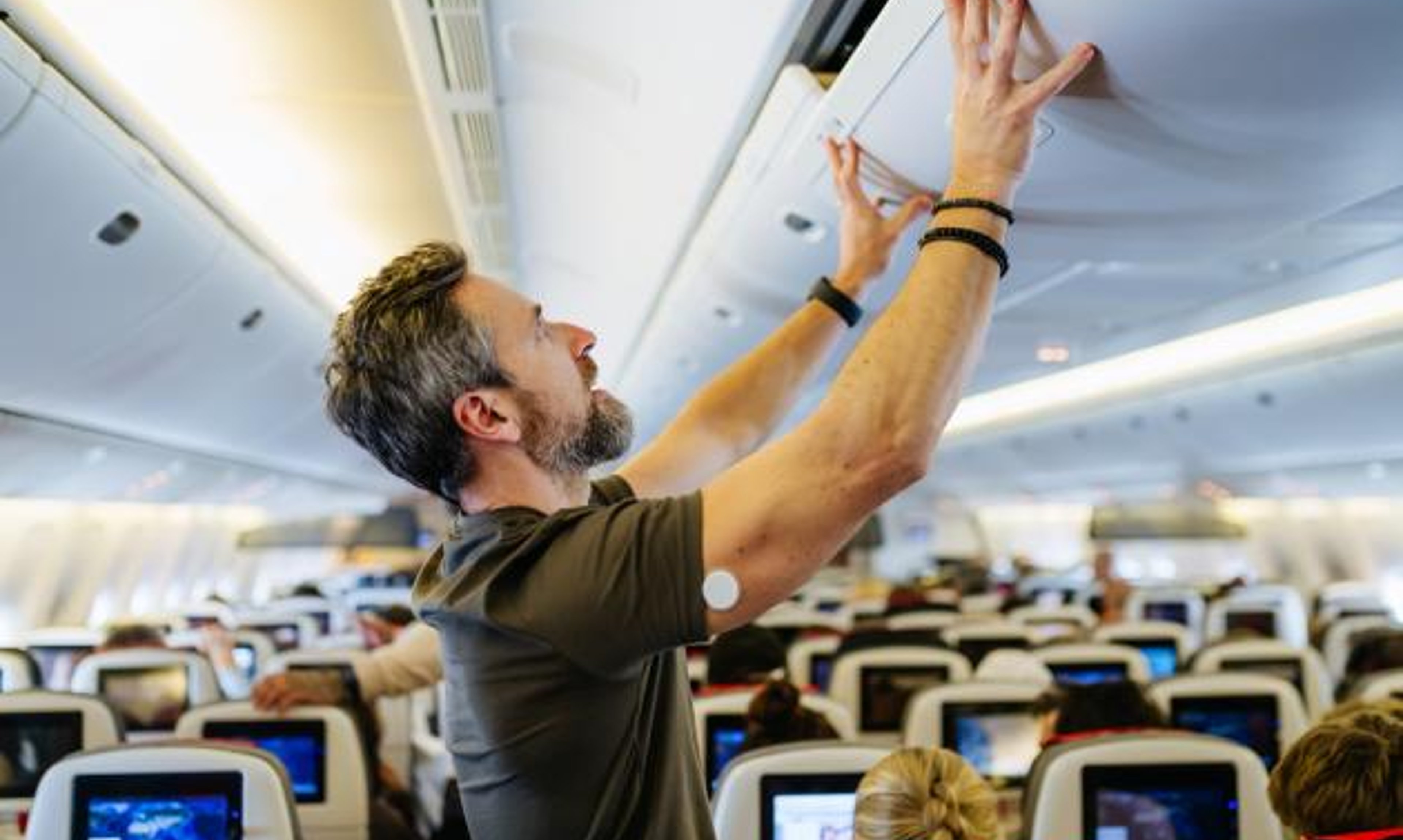
How To Navigate an Airport With Diabetes
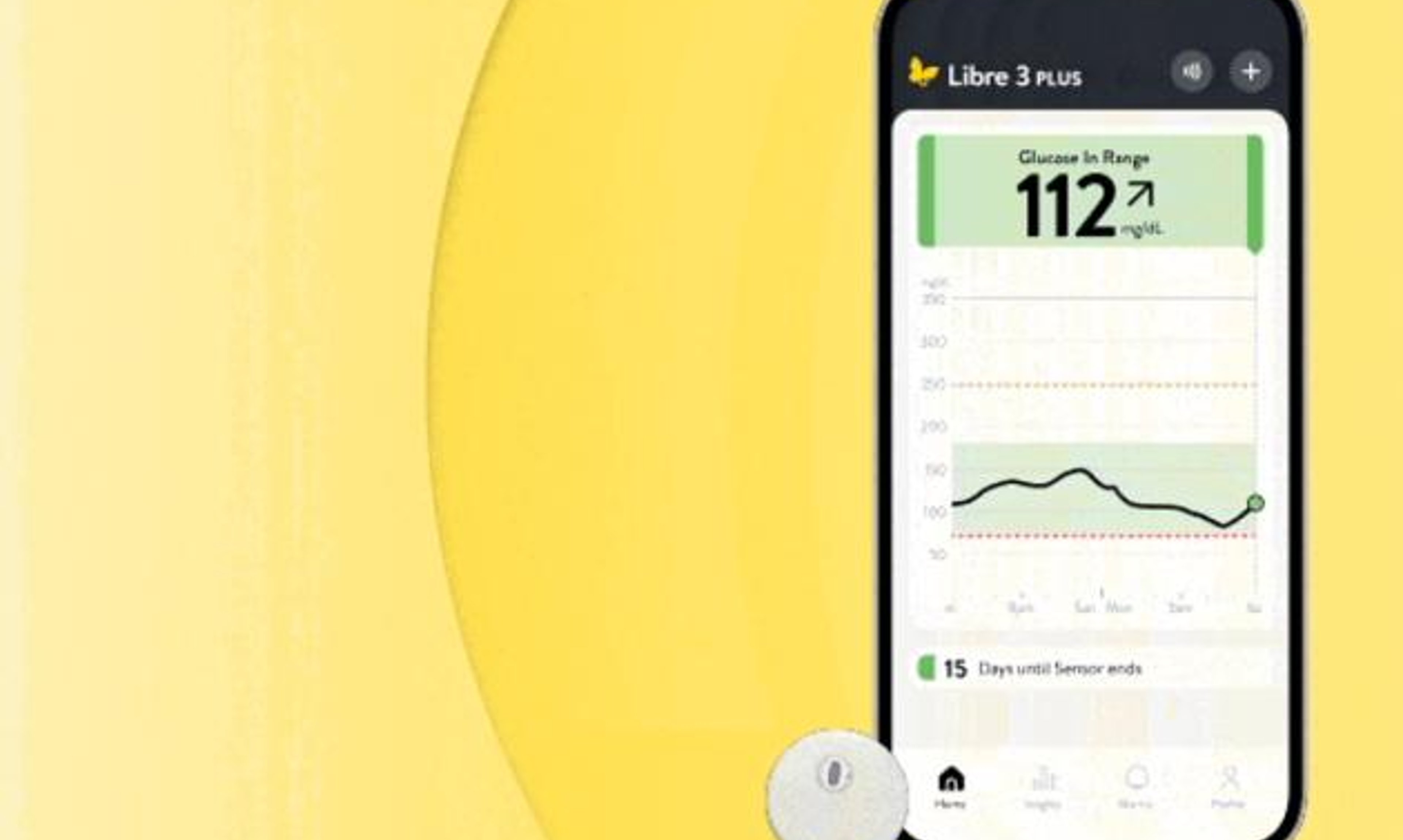
Abbott FreeStyle Libre 3 Plus: How It Works, Features, Latest Updates
The FreeStyle Libre 3 Plus CGM from Abbott sends glucose readings directly to a smartphone every minute. The sensor is about the size of two stacked pennies and is worn on the back of the upper arm for up to 15 days. The CGM was cleared by the FDA in 2022.