
Student Turns His Type 1 Diagnosis Into a Chance To Help Others With Diabetes

Drew Mendelow built the T1D1 smartphone app in middle school after being diagnosed with diabetes to help people track their blood glucose levels, insulin dosing, and carb intake. He explains how the app has evolved from when he created it at age 13 to its recent FDA approval for type 1 diabetes.
Drew Mendelow designed the app T1D1 (which stands for Type 1 from Day 1) with a specific goal in mind: to simplify diabetes management as early as possible, since for many, the learning curve for discovering how to dose insulin and count carbs can be overwhelming.
He knows the feeling well. He was diagnosed with diabetes at age 13, and after learning the basics of diabetes management, his healthcare team introduced him to a number of apps that could help him adjust to life with diabetes. Before long, he was inspired to design an app that would more closely fit his needs and would hopefully make diabetes management easier for others, so that they didn’t have to think about it every minute of every day.
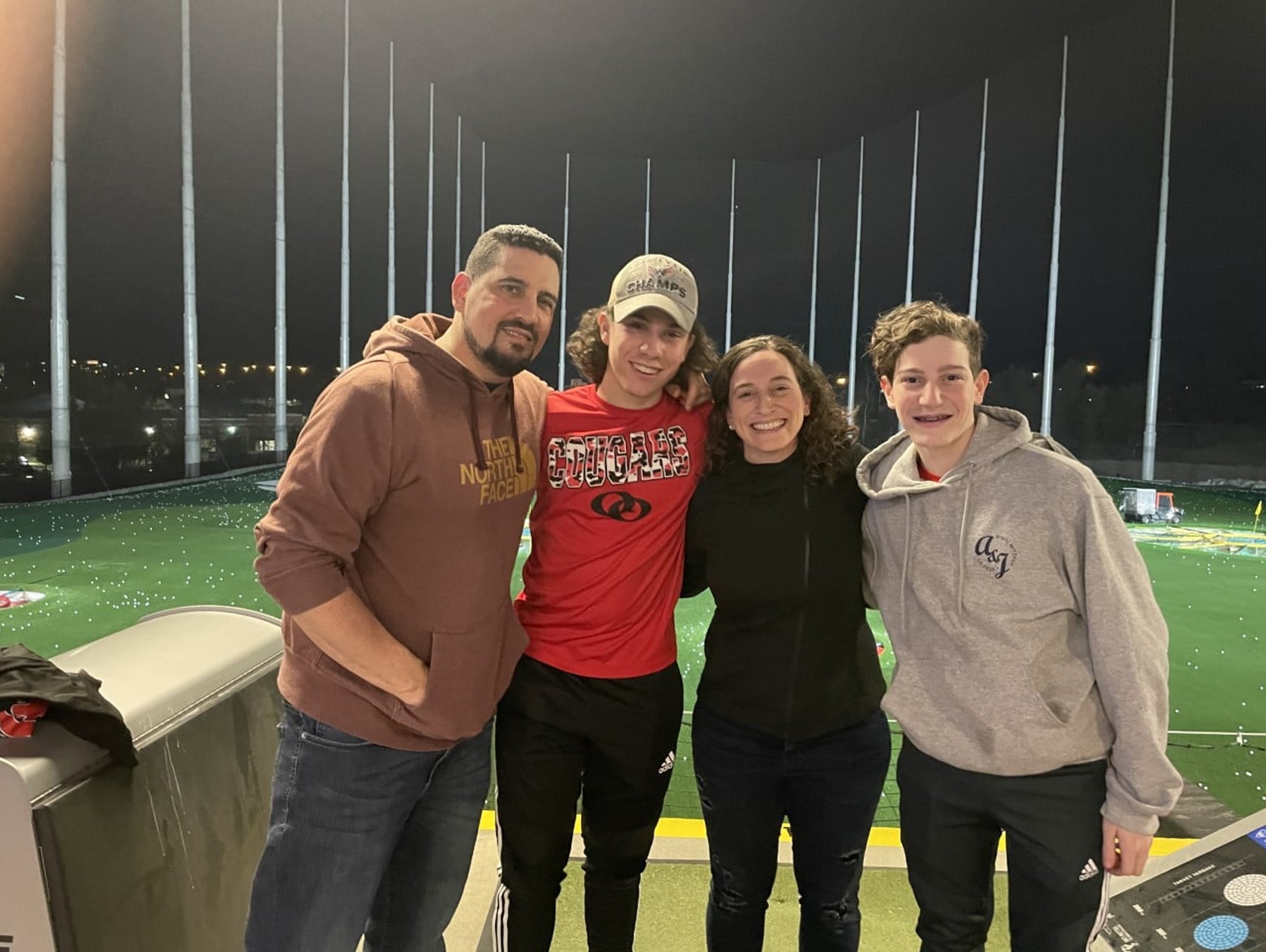
Drew developed the app during middle school in the Washington D.C. area. His grandmother also has type 1 diabetes and was a helpful resource for him and his family in the weeks following his diagnosis.
“She was the one we could call at 2 a.m. and ask for advice on how to manage Drew’s blood sugar,” said his mom, Laura.
Having previously coded video games in his spare time, Drew was confident that he could build an app that eliminated the need for spreadsheets and mental math, which he said can be time-consuming and inconvenient for quick decision-making. He subsequently developed T1D1, which allows people to track blood glucose levels, insulin doses, and carbohydrates. The app has an insulin calculator and allows users to choose a different insulin-to-carb ratio for every meal.
"I feel that it is important to help people on day 1 of diagnosis," he said. "Because that's when you're feeling the most scared and overwhelmed."
To make sure that the app was meeting people’s needs, Drew gathered feedback from healthcare professionals, people in the diabetes online community, and a group of over 70 online app testers. People have described the app as a game-changer in their personal lives, from parents who report feeling more comfortable having their children go to sleepovers to school nurses who feel more prepared to help students with their diabetes management. Many reported that the best part of the app is how easy it is to use and keep everything in one place.
Drew said he plans to continue enhancing the app while keeping the features streamlined and easy to use. His favorite feature is the ability for users to email their insulin log directly to a healthcare professional or family member. Equally exciting, the food library allows people to keep track of the amount of carbs in their diet. The notes section within the food library can be helpful for writing down specific recipes, especially for parents or family members who cook for a child with diabetes.
Channeling his energy into this project has helped him to “own this condition,” Laura said.
The app also made it easier for Drew to maintain stable glucose levels throughout the day and during physical activities like soccer, before he eventually transitioned to using an insulin pump. Drew intends to keep the app free and without ads so that it can reach as many people as possible, especially those who can’t afford a pump.
Drew also teamed up with a medical student in Florida to evaluate how the app affects people’s confidence in managing diabetes from the day they are diagnosed.
“Sometimes people are in the hospital for five or six days because they don’t feel comfortable going home and managing their diabetes themselves,” explained Laura. The goal is to equip people with diabetes with the tools and knowledge they need to get home as soon as possible.
From middle school project to international diabetes tool
As he moved through middle and high school, Drew continued to refine the app, adding safety features and making it more user-friendly. Now a freshman at Georgia Tech, he still manages the software while studying computer science and juggling the academic and social life of a busy college student.
"Having calls for T1D1 between classes can be hard sometimes because I have to rush to find a free private space – which is hard in the middle of the day on campus," he said. "But I love still being actively involved with T1D1, even from college."

The app has evolved significantly since its launch, and is now cloud-based, allowing families to share one account across devices. Users can now add multiple profiles, view enhanced reports, and access the app without Wi-Fi. He's also worked to make the interface more intuitive and improve safety alerts in the app.
Drew’s ongoing development of the app has connected him with people around the world, and as he noted, provided unusual fodder for his college application essay.
In what he called a once-in-a-lifetime experience, he collaborated with a Zurich-based development team to redesign T1D1 to meet FDA requirements and obtain clearance for the app. Along with learning the ins and outs of the agency's rigorous approval process, he created a nonprofit organization and developed a health-tracking app for another teen with a different condition.
“I’ve had some amazing opportunities as a result of this project. Everyone keeps saying I’m crazy for not charging for this app,” he said. “But I’ve gained so much more than any dollar amount.”
T1D1 is available for free on the App Store and Google Play Store.
Learn more about diabetes technology here:
- Tech Watch: The Latest in Diabetes Tech News
- 8 Apps To Improve Your Time in Range
- How To Start Using a CGM
- Fully Closed Loop: Automated Insulin Delivery Takes the Next Step
- Benefits of Automated Insulin Delivery for Children
- Nightscout: How To Get Started With CGM in the Cloud