
Prevention and Screening

Averting diabetes and detecting diabetes in early stages helps reduce the risk of future health complications.
Type 1 diabetes: Type 1 diabetes is a chronic condition that affects millions of individuals worldwide. While there is currently no cure for the disease, screening and early detection plays a vital role in managing and preventing potentially life-threatening complications. New treatment options, such as teplizumab, may delay the onset of type 1 diabetes. While genetics are a factor, 80% of people with the condition do not have a family history of type 1 diabetes.
Type 2 diabetes: It is possible to lower your chances of type 2 diabetes. Type 2 diabetes develops through a combination of factors – elements of lifestyle, such as food, exercise, stress, and sleep play a role, as do family history and genetics. While type 2 diabetes is associated with obesity and weight loss is helpful, the condition is not simply the result of high body weight. To lower the risk of type 2 diabetes (and other diseases), exercise often, eat nutritious food, and maintain a healthy body weight.
- Exercise can reduce insulin resistance, lower body weight, increase muscle mass, and improve overall fitness. All adults should aim for 150 to 300 minutes each week of moderate-intensity aerobic activity (like walking), 75 to 150 minutes each week of vigorous aerobic exercise (like running), or some combination of the two types of exercise. Read expert exercise recommendations for people with diabetes here.
- Healthy nutrition can help people regulate blood sugar levels, and prevent the progression of type 2 diabetes or other health conditions. Focus on eating vegetables, lean proteins, and healthy fats, rather than carbohydrates that can spike blood sugar.
Prevention and Screening
See All Diabetes Prevention and Screening News
Type 1 Diabetes Screening Can Give Families More Time
Key takeaways: * Type 1 diabetes screening checks for diabetes-related autoantibodies, markers that can show the autoimmune process has started before symptoms appear. * Identifying type 1 early can give families time to confirm results, connect with a care team, and monitor for changes. * Families that receive a positive result need support after screening to identify next steps.
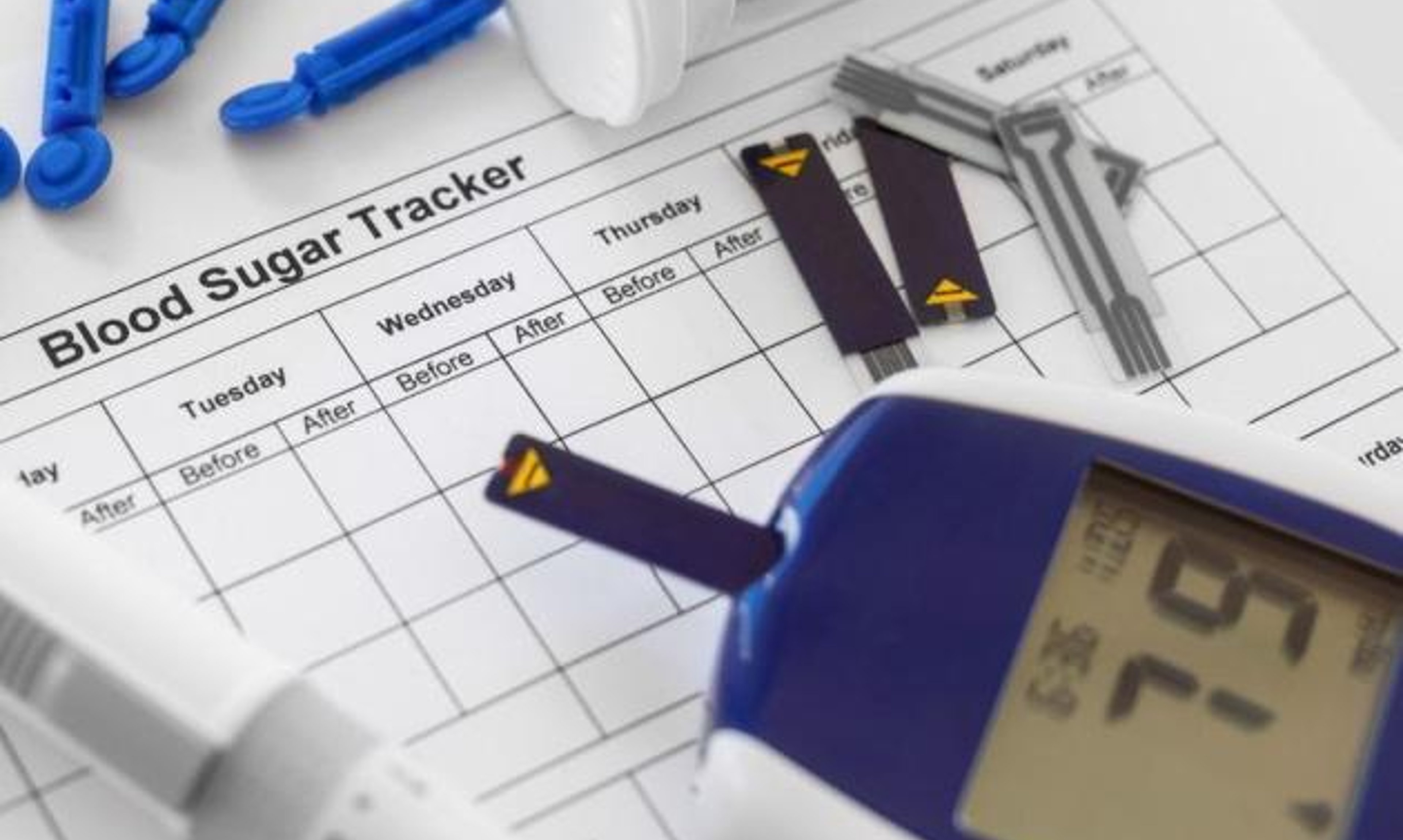
Type 1 Diabetes: It's Time for Population-Wide Screening
Key takeaways: * With the rising incidence of type 1 diabetes, better screening is needed to identify who will develop the condition. * It’s possible to identify presymptomatic type 1 diabetes through antibody testing. There are also several drugs being developed to delay the onset of type 1 diabetes. * A number of type 1 diabetes research programs worldwide have helped extend screening pilots, with some countries already implementing nationwide pediatric screening.
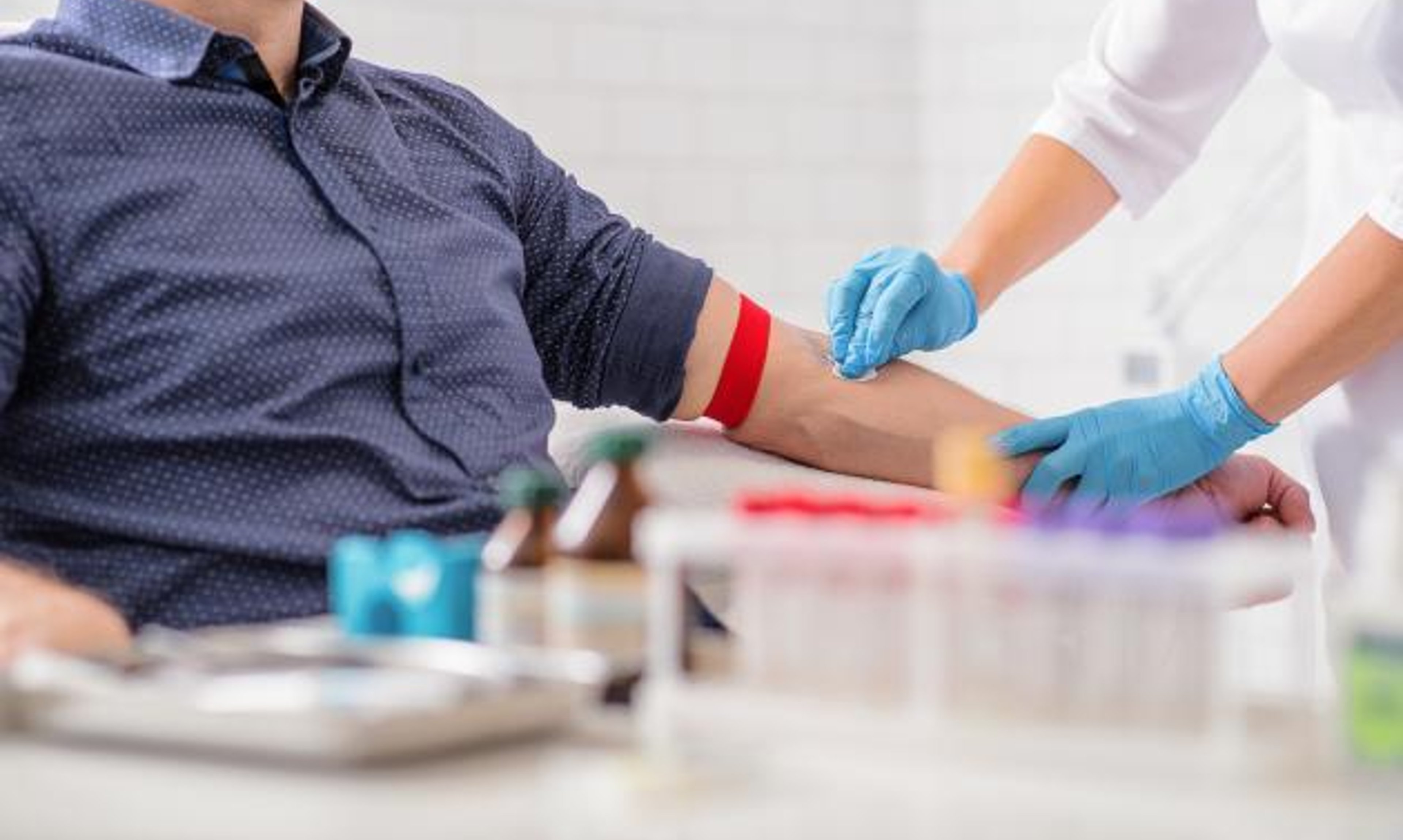
Have a Relative With Type 1 Diabetes? Join a Clinical Trial To Learn Your Risk
If you are related to someone with type 1 diabetes, you can participate in this free trial to find out your risk of developing diabetes.

How To Support Veterans With Diabetes
Key takeaways: * U.S. military veterans may be at higher risk of developing diabetes, but there are diabetes-related care programs worth taking advantage of. * Examples include subspecialty care from the Veterans Benefits Administration (VBA), diabetes self-management education, and peer counsel and support groups. * Veterans can also lower their diabetes risk by taking preventive measures, such as participating in one-on-one nutrition counseling programs.