
5 Things To Know About Inhaled Insulin

After more than four decades with type 1 diabetes, I've tried half a dozen types of insulin that all struggled to keep pace with carbs at meals. I recently started using inhaled insulin (Afrezza), which takes effect within minutes – almost as fast as the insulin produced by the pancreas.
Because of this quick action, Afrezza can help people with type 1 diabetes – and those with type 2 who need insulin – especially if dosing well before a meal is required to avoid after-meal highs. Afrezza works to lower blood sugar for up to 1.5 hours (for the 4-unit cartridge) and 3 hours (for the 12-unit cartridge) after taking it. Additional corrective doses can be taken if needed based on your blood glucose level after the meal.
Afrezza should not be your only insulin. For people with type 1, Afrezza must be used together with basal (long-lasting) insulin. Some people (myself included) use it with an automated insulin delivery (AID) system (see tip No. 3).
Here are five expert-backed tips to avoid common issues and get the most from Afrezza.
1. It’s been extensively tested in studies for safety
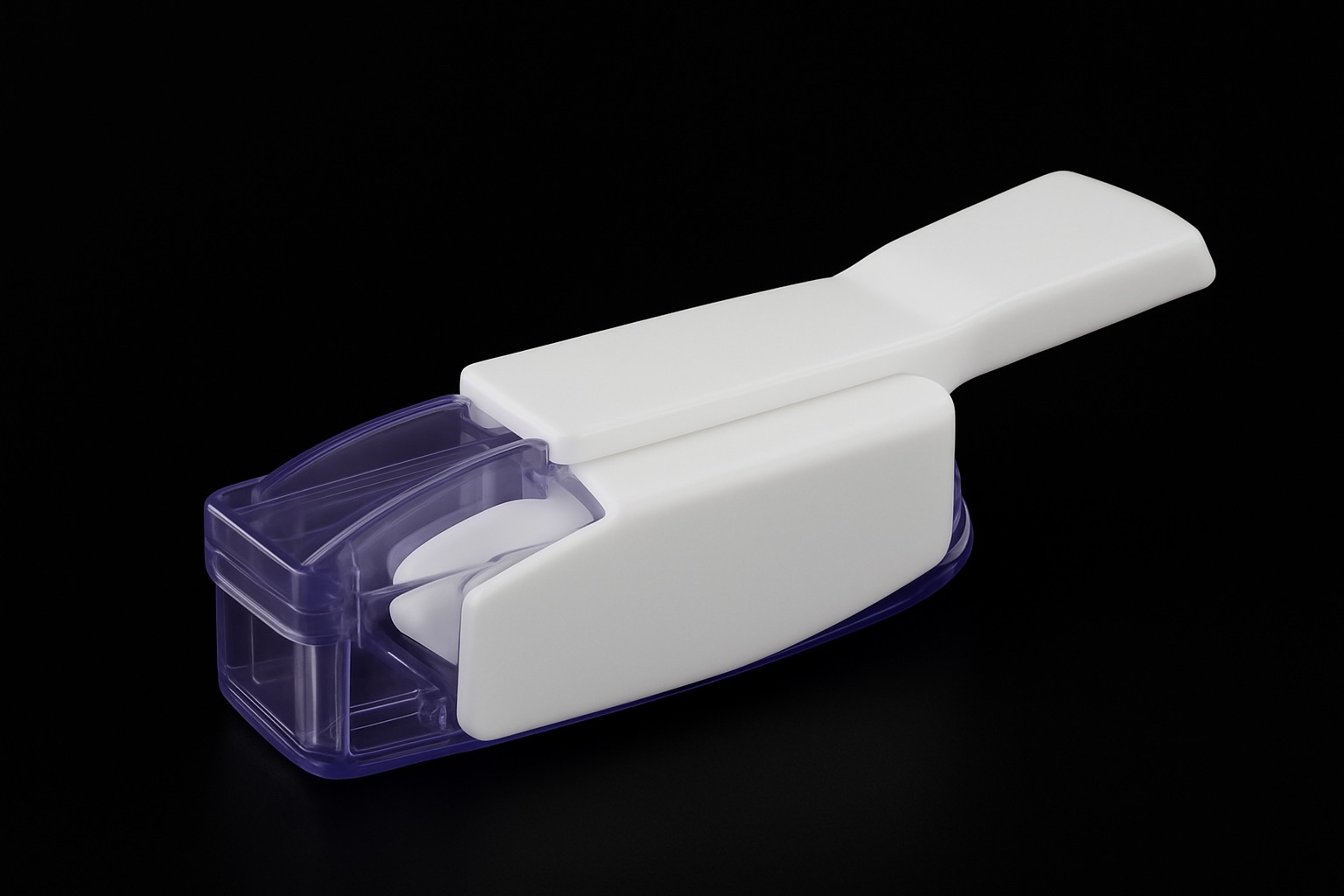
Multiple clinical studies have shown that inhaled insulin is effective and safe to use, though it should not be used in people with any chronic lung disease, such as asthma. It is also not recommended for people who smoke or have recently stopped smoking.
The most common side effects are low blood sugar (hypoglycemia), cough, and sore throat.
Dr. Roy Beck, a longtime diabetes researcher who leads the Jaeb Center for Health Research in Tampa, Florida, has overseen several major studies of inhaled insulin and has a son who lives with type 1 diabetes.
"I thoroughly looked into it and became convinced there was no evidence of a safety concern," Beck said. "The risk seems extraordinarily low.”
Research has also shown that inhaled insulin causes less weight gain than rapid-acting insulin (such as Novolog or Humalog) and less hypoglycemia.
Before starting inhaled insulin, your healthcare provider should check your breathing function with a simple test and at set intervals later. Most people don’t notice a difference.
Beck said studies have shown a small, measurable decrease in a measure of lung capacity called FEV1 while using Afrezza, which is reversible if someone stops using it.
"My son has used Afrezza," Beck said. "He hasn’t noticed any decrease in breathing capacity – and he’s training for a half marathon.”
2. How much you take is different

Afrezza comes in 4-, 8-, and 12-unit color-coded cartridges. However, those switching from injected insulin will likely find they need larger doses to cover the same number of carbs in snacks or meals – or to correct a high.
People typically need more Afrezza because not all the inhaled powder reaches the bloodstream. A 2018 study found that people using Afrezza typically needed about twice their injected rapid-acting insulin dose, and some needed more. The 2025 INHALE-3 study suggested that those using Afrezza could safely start at less than double their usual dose, then increase as needed.
Dr. Thomas Blevins, an endocrinologist at Texas Diabetes & Endocrinology, said the required dose of Afrezza is roughly equivalent to 2.5 to 3 times the amount of injected rapid-acting insulin.
In my own experience (though everyone’s different), I need about 1.7 times the amount of Afrezza that I would when taking ultra-rapid Lyumjev insulin. A bolus calculator on my phone helps me determine the dose, then I round to the nearest cartridge size.
3. You can take it right before meals

People who take insulin by syringe or pump are sometimes advised to bolus 20-30 minutes before a meal (pre-bolus), especially for high-carb meals. This allows rapid-acting insulin to absorb through the skin and take effect as blood sugar begins to rise.
Afrezza starts working within minutes when inhaled at mealtime and peaks around 12-15 minutes – quite a bit faster than any insulin delivered under the skin.
"It's pretty quick in and quick out,” Beck said, explaining that it enters the bloodstream rapidly and clears within a couple of hours.
A 2017 study found that the glucose-lowering effect of Afrezza was two to three hours, compared to four to six hours for injected rapid-acting insulin.
Afrezza isn't FDA-approved for AID systems, though I've found it's very effective for covering meals while my open-source AID system handles basal dosing. I'm able to log external insulin in my AID system's app, which lets it know how much insulin is active. Importantly, this keeps the system from delivering unneeded insulin through automatic corrective boluses (auto-boluses), which could lead to hypoglycemia.
“With AID systems, I’d be reluctant to use Afrezza alongside any algorithm that gives auto-boluses because the system doesn’t know you used external insulin,” Beck cautioned.
4. You can take it after eating

With rapid-acting insulin, if taken too late, blood sugar can spike and stay high, requiring more insulin, which can lead to stacking followed by low blood sugar. But with inhaled insulin, if blood sugar is still rising after the meal, you can take another small corrective dose without the risk of a delayed low.
“If an hour after your last inhalation you’re above 140 mg/dL, inhale again if you want tighter control," Beck said. "The risk of hypo is really, really low.”
I've found this particularly helpful because I can take a dose that I think will cover the meal without overdoing it – for example, one 12-unit cartridge, then correct with a small 4-unit dose later if blood sugar is still rising.
For me, taking injected insulin an hour after a meal to correct a high would typically take hours to take effect, then likely be followed by a blood sugar crash. This is particularly unworkable after dinner, heading into overnight. Afrezza’s short duration has given me more confidence in handling meals with uncertain carb counts and reduced fear of overnight hypoglycemia.
5. A sip of water can help
When I first started using inhaled insulin, the directions noted that a cough – especially as the body adjusts to the dry powder – can occur. The instructions recommended taking a sip of water before and after using the inhaler, if some irritation was noticed, which I promptly forgot about.
About a week later, I developed a minor cough and a much more irritating sore throat. I took a two-day break, then began sipping water each time I used the inhaler. I haven’t had any coughing or throat irritation since.
Beck suggested that smaller cartridges – for example, 4-unit doses taken back-to-back – can reduce coughing for those sensitive to larger 8- or 12-unit cartridges.
The bottom line
Afrezza starts working within minutes, peaks around 12-15 minutes, and is largely out of the system in one and a half to three hours – much faster than any rapid-acting insulin that's delivered under the skin. This quick action helps reduce post-meal highs and lowers the risk of post-meal lows.
The main precautions involve lung health: People with asthma, COPD, or a recent history of smoking should avoid it. For anyone using Afrezza, your healthcare provider should monitor your lung function over time.
“Current labeling says to get pulmonary function tests before starting, at six months, and then yearly,” Beck said.
Because inhaled insulin acts so quickly, it can make managing diabetes easier, reducing the need to pre-bolus and allowing safe, small correction doses an hour or so after eating without worrying about low blood sugar later.
Multiple studies have shown that Afrezza is safe and effective for adults with type 1 or type 2 diabetes when used with basal insulin. A mild cough is the most common side effect and usually goes away as the body adjusts.
Learn more about managing blood sugar levels here:
- 4 Exercises To Lower Blood Sugar
- How to Lower Morning Blood Sugar
- 5 Ways CGM Can Optimize Diabetes Management
- 10 Tips to Stay in Range With Type 1 Diabetes
- 42 Factors That Affect Blood Glucose