
It's Not Just Blood Sugar, High Blood Pressure Matters Too

Here we explore what high blood pressure is, how it relates to diabetes, and tips for keeping your blood pressure in a healthy range.
High blood pressure, also known as hypertension, is a common condition estimated to impact two-thirds of U.S. adults with diabetes. It’s considered to be a major health risk, especially for people with diabetes, as it can accelerate damage to the heart, kidneys, and other organs.
Despite its frequency, high blood pressure may go undetected as symptoms may not appear until they are severe. The good news is, high blood pressure can often be reversed, which is why it’s important to catch it in the early stages – or prevent it from happening in the first place.
What is high blood pressure?
Simply put, blood pressure is the force of blood flow inside your body. Multiple factors regulate blood pressure, and as a result, there are many different reasons that blood pressure may be elevated.
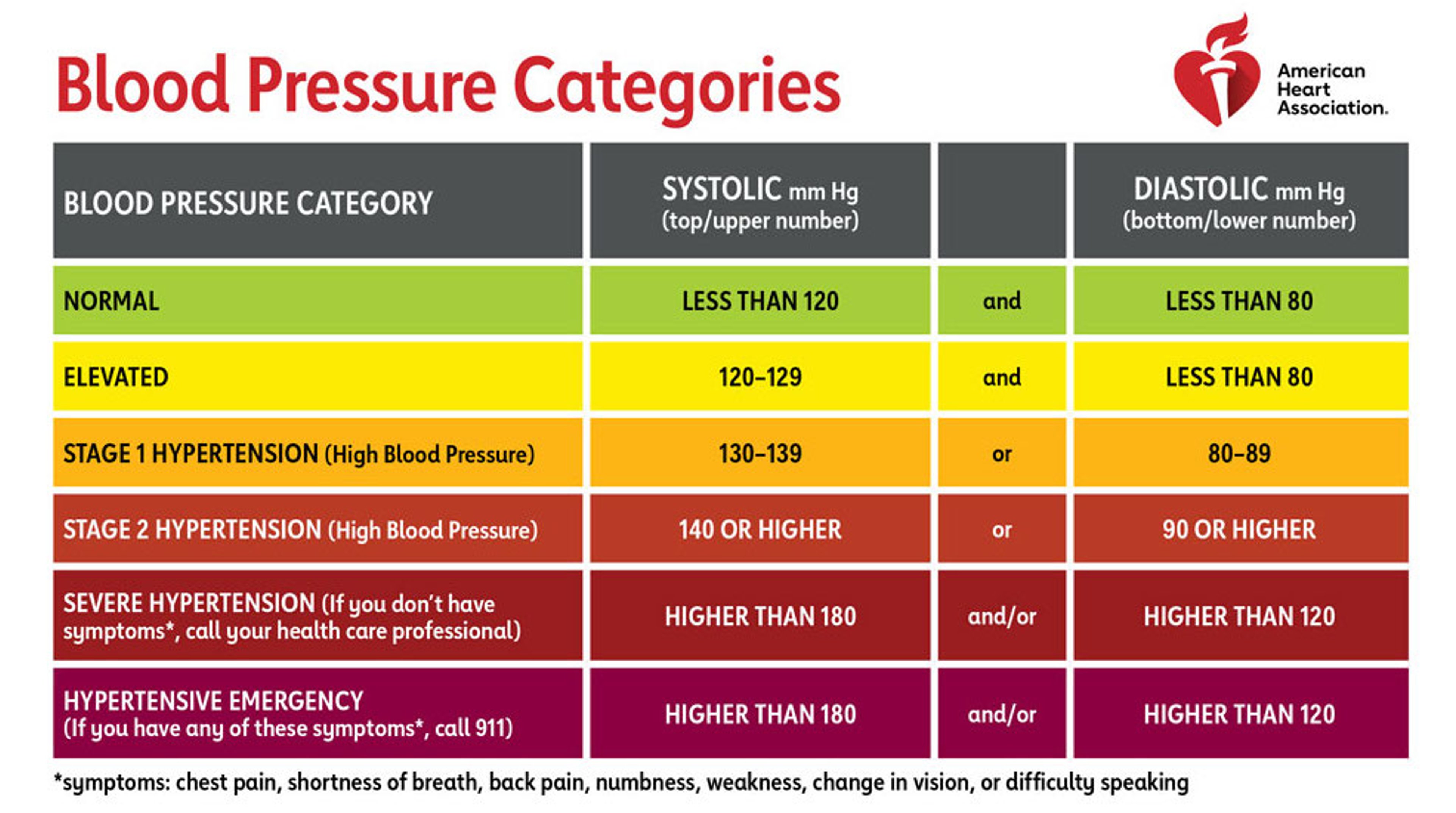
When blood pressure readings are 130/80 mmHg or higher, it’s considered high blood pressure. If your blood pressure is too high, it can damage the vessels that carry blood to many of your organs. To avoid damage, blood pressure must be regulated within a narrow range.
Let’s look at the kidneys as an example. Your kidneys filter blood to produce urine, getting rid of waste products that are otherwise toxic to the body. These filters are tiny, sensitive structures that depend on blood pressure being at the right level. If the pressure is too high, the filtration structures in the kidney become damaged, and that eventually leads to kidney failure.
Even moderately raised blood pressure slowly causes damage to the kidneys, blood vessels in the brain, and the heart over time. This can lead to more severe complications, such as a stroke or heart attack.
What causes high blood pressure?
High blood pressure can result from many things. For example, eating lots of salt leads to excess water in the body, as does overeating (for reasons that are not yet understood), leading to raised blood pressure.
Once any kidney damage occurs, it’s harder for the body to get rid of excess salt, making the problem worse. Another way that high blood pressure can occur is through high levels of fat in the blood. Fat damages artery walls, causing them to stiffen. As a result, the heart has to work harder to push blood through hardened arteries, which increases the pressure. Fat can also cause blood vessels to be more likely to break or the vessel wall to form clots.
Stress from the pressures of everyday life and work can also raise blood pressure, but this is usually just for a short period of time. Sudden, intense exercise also raises blood pressure in this way. However, there is little evidence that these short-term stressors matter if your blood vessels are healthy.
The bottom line is that high blood pressure means that your heart has to work harder to push blood around. This is why high blood pressure causes cardiac problems, such as heart attacks and heart failure. The increased force of blood can also damage blood vessels, causing the accumulation of cholesterol “plaques,” increasing the risk of strokes and aneurysms.
Managing diabetes and high blood pressure
Living for years with high blood glucose levels can damage the filtration structures in the kidney, as well as cause damage to blood vessels. Therefore, it is not surprising that blood pressure management is even more important in people with diabetes than in the general population.
Indeed, targets for blood pressure are often lower for people with diabetes because high blood glucose levels already increase the risk of stroke and kidney failure. These risks grow increasingly higher if high blood pressure is in the mix. In addition, high blood pressure can contribute to the progression of other diabetes-related complications, such as retinopathy (damage to the blood vessels in the eyes).
Since people with diabetes may be at a higher risk for heart disease and stroke independent of hypertension, it is critically important to regularly check and sustain healthy blood pressure levels.
Medications can also interact with one another if you take several drugs to manage your diabetes. Your healthcare professional will recommend an alternative if you have a significant problem with your blood pressure medicine, and will teach you about situations (such as a gut infection or a medical procedure) in which changes to treatment are important.
Blood pressure is naturally lower during pregnancy. High blood pressure can damage the developing baby and mother at levels only slightly above the non-pregnant range. If you are pregnant, your healthcare team will check your blood pressure regularly, but you can still measure it yourself. Some drugs might affect the developing baby, so treatment, if needed, might differ from your usual choices.
What's a normal blood pressure for people with diabetes?
You should aim to keep your blood pressure target constant from year to year. Blood pressure measurements have two numbers: the higher number (systolic) represents the pressure immediately after each heart contraction, and the lower number (diastolic) is the pressure immediately before the next contraction.
Targets are often set for less than 130/80 mmHg or below 120/80 mmHg for a younger person. However, your healthcare professional may suggest a different personal target if, for example, you have difficulties reaching standard targets due to medication intolerance, or you have reasons for tighter management (like evidence of early kidney damage). You may need both lifestyle changes and multiple medications to achieve your target.
Children typically have lower blood pressure than adults. Blood pressure tends to slowly rise with age, with the gap between systolic and diastolic pressure sometimes widening. Men tend to be at higher risk than women until age 45; for women, the risk becomes much greater above age 65.
While blood pressure values will vary from individual to individual and even fluctuate throughout the day for any given person, the American Heart Association (AHA) has set some guidelines to help diagnose abnormal blood pressure.
How to measure blood pressure
High blood pressure may be diagnosed during a routine doctor visit. However, if you are concerned about your risk for developing high blood pressure, you may consider purchasing a home blood pressure monitoring device. They are small, easy to use, and range in price from $20 (for manual arm cuffs) to $60-80 (for automated cuffs).
This used to be done by healthcare professionals, but the stress of clinical appointments often caused a person’s blood pressure to increase (called “white-coat hypertension”). Manual measurements were replaced by automatic systems that people wear for 24 hours, providing useful information on periods of both activity and rest.
Now, a preferred approach to blood pressure is self-measurement at home with a battery-driven air pump and an automatic sensor. These are not expensive, but be sure to choose one that is quality-assured and worn on the upper arm. For people with bigger arms, the cuff size may need to be longer than usual.
Keep in mind that even using a blood pressure machine at home can be stressful. In clinics, people are often asked to rest for five minutes before measuring blood pressure while sitting. If you try a device at home and check your blood pressure every five minutes, you will find that sitting blood pressure levels actually settle over about 20 minutes.
At first, you might need to check your blood pressure every day for three days, and on both arms (or according to directions from your healthcare team). For follow-up, weekly or monthly checks may be adequate. Always write your blood pressure measurements down to show to your healthcare professional. If you have diabetes but don’t have a blood pressure condition, checking once a year is fine.
Tips for managing blood pressure
Maintaining a steady blood pressure is still important, as it takes strain off the heart and keeps other organs healthy. Though multiple factors can contribute to high blood pressure, the good news is that many – like the ones below – are modifiable, and overlap with health and lifestyle recommendations for managing diabetes.
Keep in mind that genetics can play a role. If you have a family history of high blood pressure, you should be particularly vigilant about monitoring and managing your blood pressure.
Eat nutritious meals
While blood pressure levels are in part determined by genetics, lifestyle also strongly affects blood pressure. In particular, high salt consumption over time can lead to high blood pressure. While many people with diabetes have become accustomed to looking up the fat and sugar content of foods, salt is important and too often overlooked.
Blood pressure measurements can show the effects of diet quickly (within seven days), but damage is prevented only by long-term management. Aim to eat balanced, nutritious meals and avoid processed foods when possible. The American Diabetes Association (ADA) recommends:
- A serving of fruit at each meal
- One to two servings of vegetables at lunch and dinner
- Low-fat and fat-free dairy products
- Whole grains and cereals
- Nuts or peanut butter
- Lean meats and meat substitutes
- Using low-fat cooking methods (grilling, roasting, baking)
Stay active
Exercise is an excellent strategy for managing both blood sugar and blood pressure. A good rule of thumb is to try to do at least 30 minutes of brisk activity most days of the week, or 150 minutes of moderate aerobic activity plus strength training each week. Even implementing little changes in behavior – such as walking up stairs rather than taking the elevator – or getting in “exercise snacks” during the workday can add up.
Weight management
Excess weight can contribute to high blood pressure by making the heart have to work harder to circulate blood through the body. Cutting back on calories (especially from fat) and maintaining good fitness can help you stay at a healthy weight. For those with diabetes and overweight or obesity, medical treatments like GLP-1s may be recommended to aid with weight loss. Though weight loss can feel intimidating, even small amounts can make a big difference in promoting heart health.
Abstain from alcohol and smoking
Current research generally concludes that alcohol of any kind isn’t particularly good for anyone. Drinking alcohol, especially large amounts on a regular basis, can raise blood pressure and have other problematic effects on health. Women should limit consumption to one drink per day, and men should limit drinks to two per day.
Smoking is another proven contributor to high blood pressure; studies have found that nicotine can increase blood pressure by 5-10 mmHg. Smoking also directly increases the risk of heart disease and stroke, and so the combination of smoking and high blood pressure is particularly dangerous.
Medication
You may find that lifestyle changes alone are not enough to help you get your blood pressure down, in which case you will need to talk to your healthcare provider about potential medications.
There is evidence from many clinical trials over the last 30 years in people with type 1 and type 2 diabetes that blood pressure management with medication can greatly reduce the risk for long-term problems like kidney failure and stroke. A surprising (but happy) finding is that blood pressure treatment also slows the progression of diabetes-related eye damage. In general, all blood pressure-lowering medications reduce your risk of other complications.
There are several blood pressure-lowering medications available to help patients control high blood pressure, including:
- ACE inhibitors: These medications help lower blood pressure by relaxing the blood vessels. Most ACE inhibitors are generic, making them very cheap. This class of drug is considered to be safe, but one side effect some people experience is a chronic cough. ACE inhibitors are also not recommended for women who are pregnant or are planning pregnancy. Examples of ACE inhibitors include lisinopril, ramipril, and enalapril.
- ARBs (angiotensin receptor blockers): Similar to ACE inhibitors, this class of drug makes vessels more relaxed. ARBs are popular because they tend to have fewer side effects than ACE inhibitors. Both classes of drugs are thought to be similarly effective and safe, but ARBs may be particularly helpful if someone has early kidney damage. Examples include valsartan and losartan.
- Beta blockers: This class of medication makes the heart beat slower and with less force. They’re also prescribed for other reasons, including heart attack prevention and anxiety. It should be noted that many beta blockers may interfere with the body's response to hypoglycemia, making it harder to recognize low blood sugar levels. Examples of beta blockers include metoprolol, atenolol, and carvedilol.
- Calcium channel blockers: This class of medication works directly on the blood vessels to keep them relaxed, lowering blood pressure. Examples include amlodipine and felodipine.
- Diuretics: These medications are designed to help you lower the fluid volume of your blood (which can also contribute to high blood pressure) by encouraging the body to eliminate excess water and sodium through the urine. Examples include hydrochlorothiazide and chlorthalidone.
- Aldosterone synthase inhibitors: This class, which is being studied in clinical trials but not yet approved by the FDA, includes several novel blood pressure medications, such as baxdrostat.
- Fixed-dose combination medicines: These typically include a blood pressure medication and a diuretic.
The take-home message
Look after your blood pressure, and it will look after you. If you have diabetes or other risk factors for high blood pressure, check your levels regularly either at home or with a healthcare provider.
Changes to your lifestyle, and sometimes medication, are generally essential to managing blood pressure levels, especially if you have other diabetes-related complications, like kidney or eye disease. Strategies for managing blood pressure and blood sugar often go hand-in-hand – both work together and are important for your health.
Learn more about heart health and diabetes here:
- How To Take Care of Your Heart With Diabetes
- Expert Tips for Kidney and Heart Health
- Heart Health Benefits of Diabetes Drugs
This educational content was made possible with support from AstraZeneca. Final editorial discretion rests with diaTribe.