
6 Wearables for Better Diabetes Management

Wearables such as smartwatches are often used to monitor glucose at a glance. But by tracking physical activity, sleep quality, signs of stress, and other measures, they can monitor and encourage habits that can help improve diabetes management and overall health.
The American Diabetes Association recommends getting 150 minutes or more of moderate physical activity a week. Step tracking and workout logging are common features of wearables, and some can monitor heart rate to gauge the intensity of activities such as cycling, swimming, or walking – and help people work toward fitness goals without overexertion.
Here are six options, ranging from smartwatches that can display glucose readings to screen-free trackers that monitor activity, sleep, heart rate, and signs of stress.
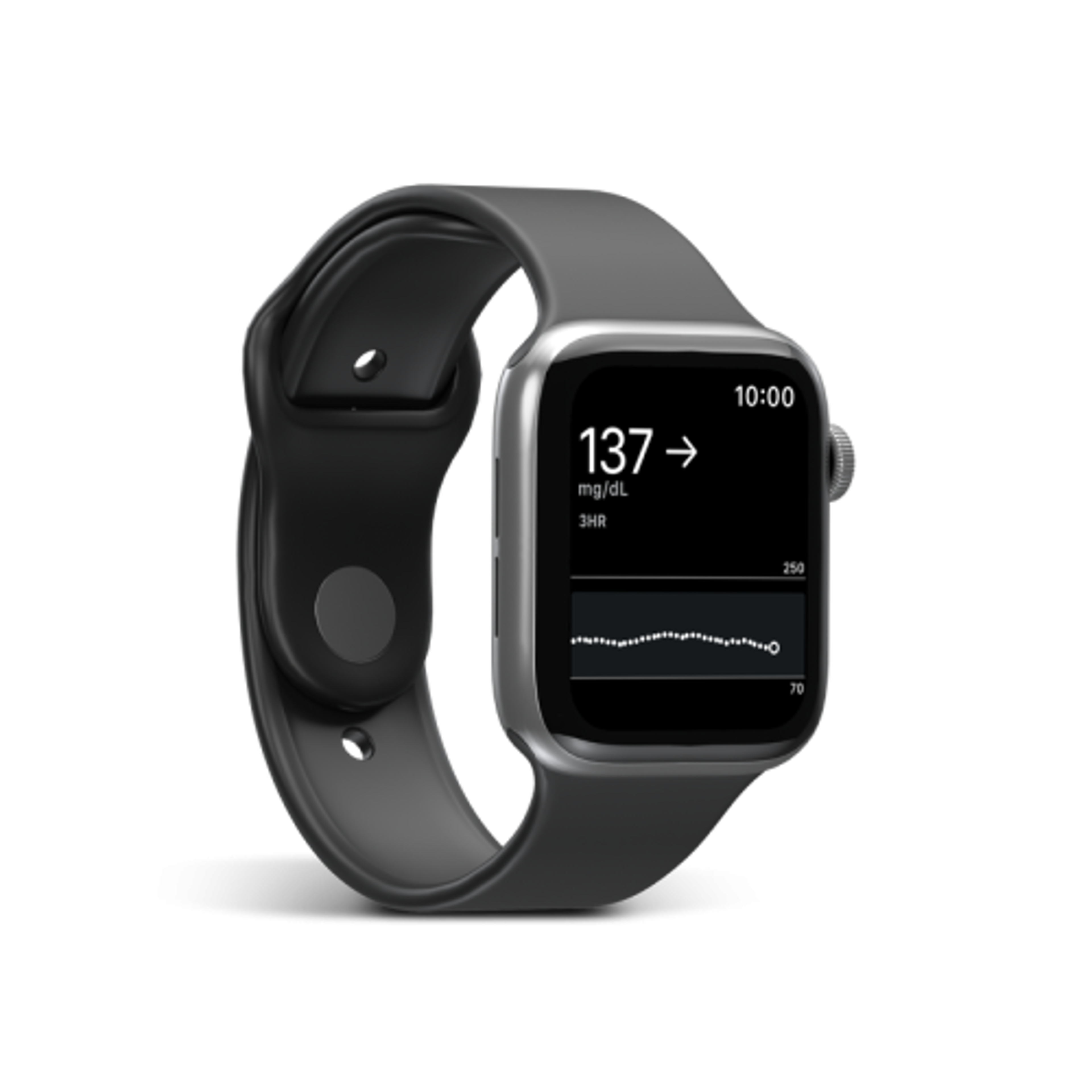
1. Apple Watch
The Apple Watch puts CGM readings on your wrist, while tracking activity and encouraging movement throughout the day. Customizable watch faces can also display your heart rate, and some models can monitor for signs of high blood pressure.
Apple Watch apps are available for CGM systems, including Dexcom, Abbott, and Eversense. Automated insulin delivery (AID) systems, such as the twiist and MiniMed pumps, also offer watch apps or watch-face displays. In addition, the twiist and some open-source AID systems allow control of insulin pump functions, such as delivering insulin from the watch before a meal.
Users of the Dexcom G7 Direct to Watch app can see glucose readings and alerts without needing an iPhone nearby, using a compatible Apple Watch.
Battery life: Varies from 18 hours to 42 hours, depending on the model.
Cost: $249-$799
2. Android Watches
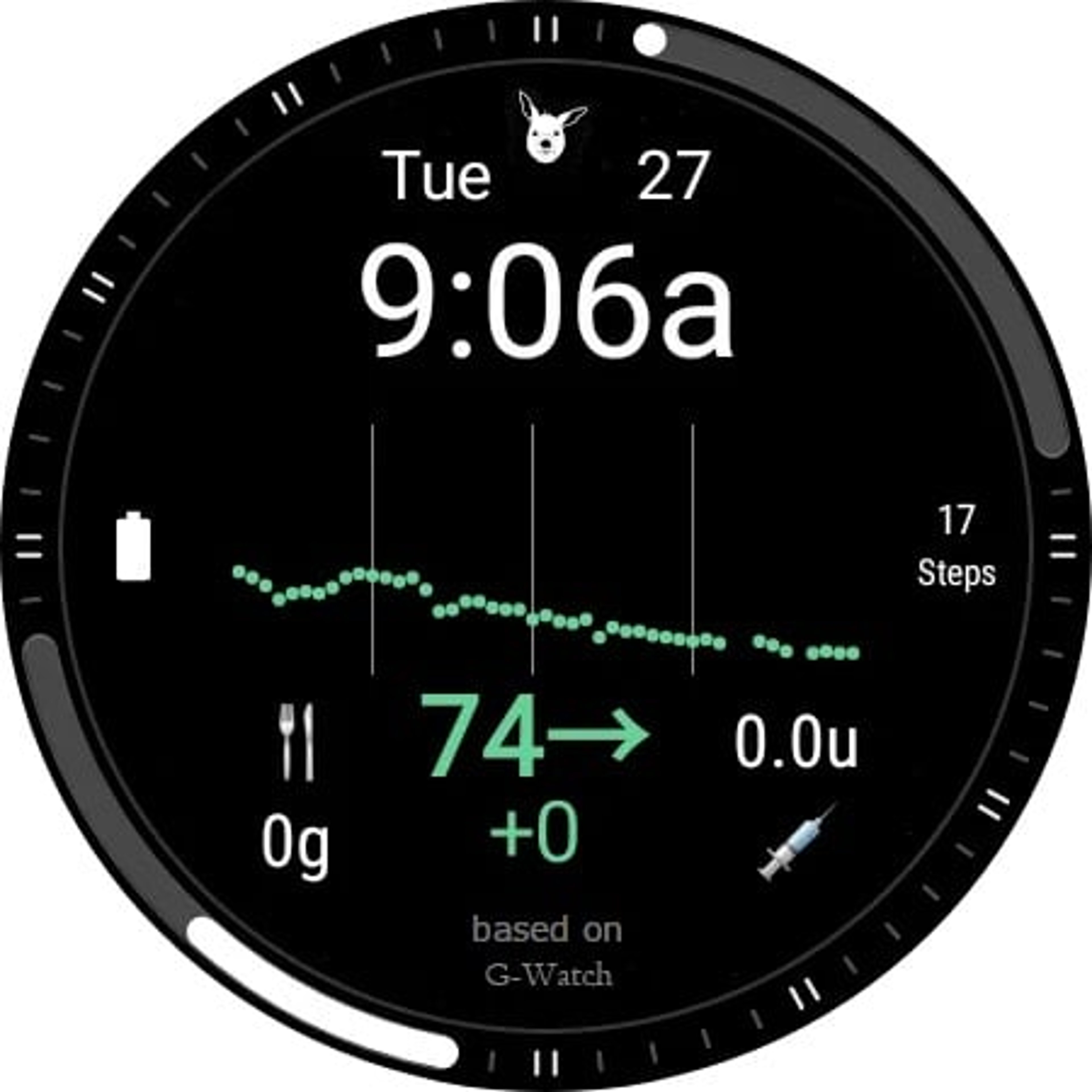
For users of Android phones, Samsung’s Galaxy and Google Pixel watches can display CGM readings, activity, sleep, and heart rate tracking, among other health measures.
Dexcom’s G7 app displays glucose readings and trends on a compatible watch through a connected Android phone. Abbott’s Libre and other CGM notifications can display on a Galaxy Watch depending on the app and notification settings. And the free Gluroo app can be used to display CGM readings from G7 and Libre sensors on an Android or Apple Watch.
Samsung Health – the company's counterpart to Apple Health – tracks steps, workouts, heart rate, sleep, stress, food intake, medications, and weight. It can also receive glucose information from some compatible devices or apps. A compatible phone needs to be nearby for the watch to display CGM readings.
Battery life: From one day to nearly a week, depending on the model.
Cost: $350-$650
3. Garmin
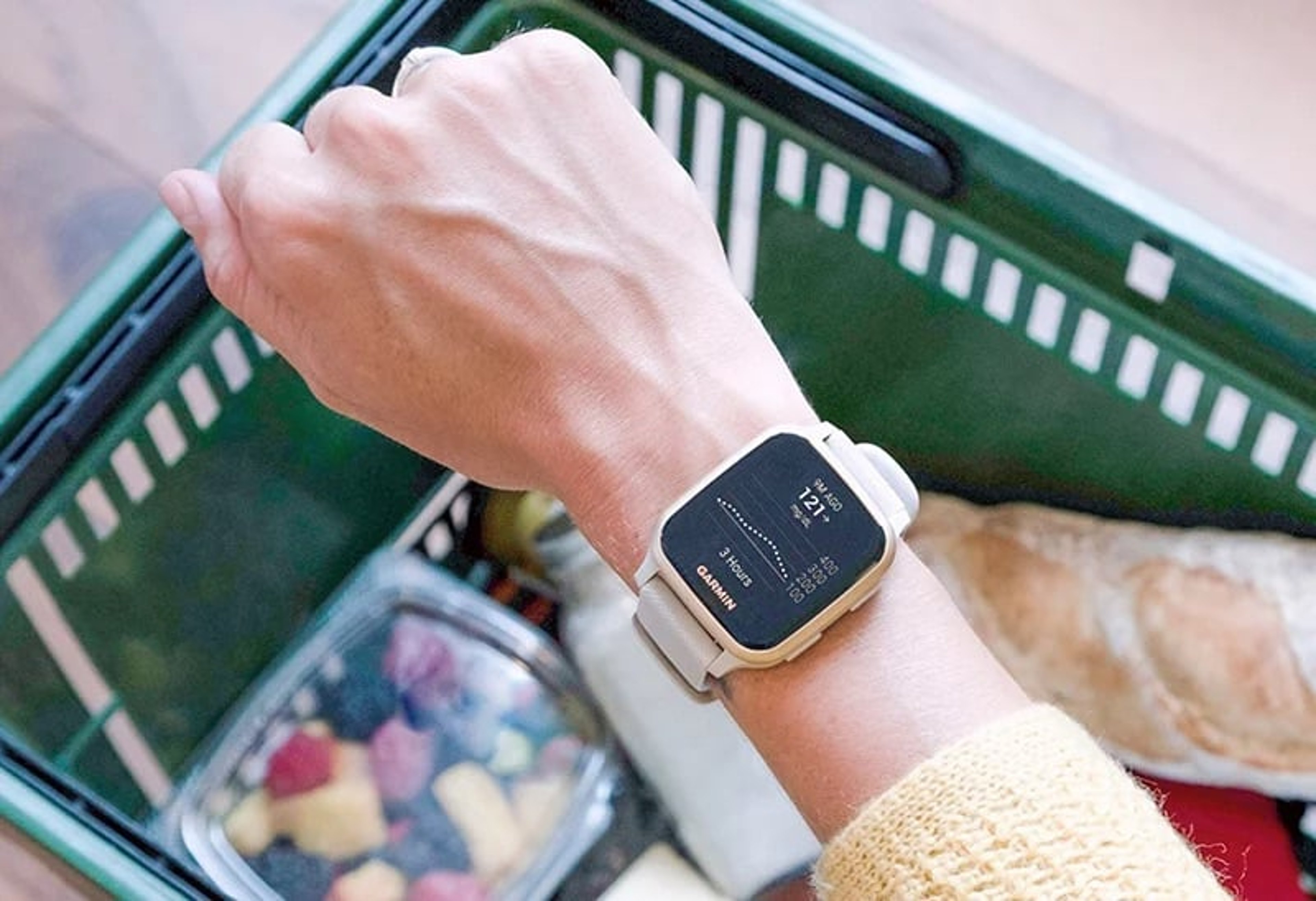
Garmin watches can display glucose and activity data and are known for their GPS and mapping features. These watches are favored by runners, and pricier premium models offer rugged construction designed for outdoor use.
The Dexcom Connect IQ app displays CGM readings from a G7 sensor as well as trend direction and a three-hour history on compatible watches. Garmin needs a connected smartphone with an active internet connection to receive Dexcom readings. You can also view heart rate, workout intensity, stress level, and sleep quality, among other health data.
Battery life: From five days for fitness models to 30 days for rugged/outdoor versions.
Cost: $250 for basic models to $900 for premium versions.
4. Fitbit
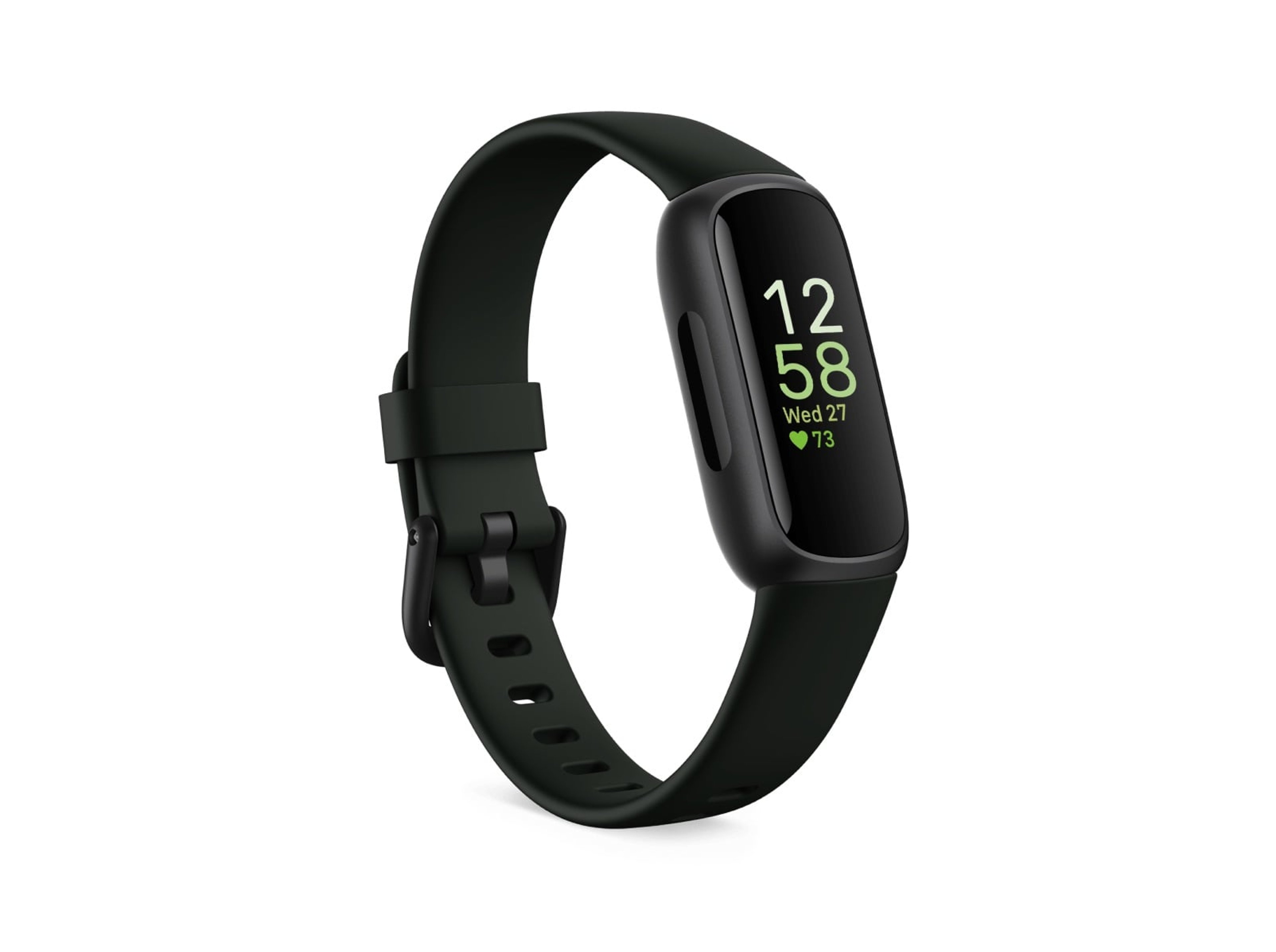
Fitbit fitness trackers and smartwatches sync with the Google Health app on iPhone and Android and monitor activity, sleep, heart rate, and other health measures.
In the Google Health app, users can log meals, nutrients – such as carbs, protein, and fats – and water intake. Comparing this information with glucose patterns may help in discussions with a healthcare provider about whether treatment adjustments are needed.
Fitbit trackers do not offer a native app for displaying current CGM readings, so they may be an alternative to smartwatches for people who don’t mind using their smartphone to see current glucose levels and trends.
Battery life: From five days to more than a week.
Cost: $100-$250
5. Oura Ring
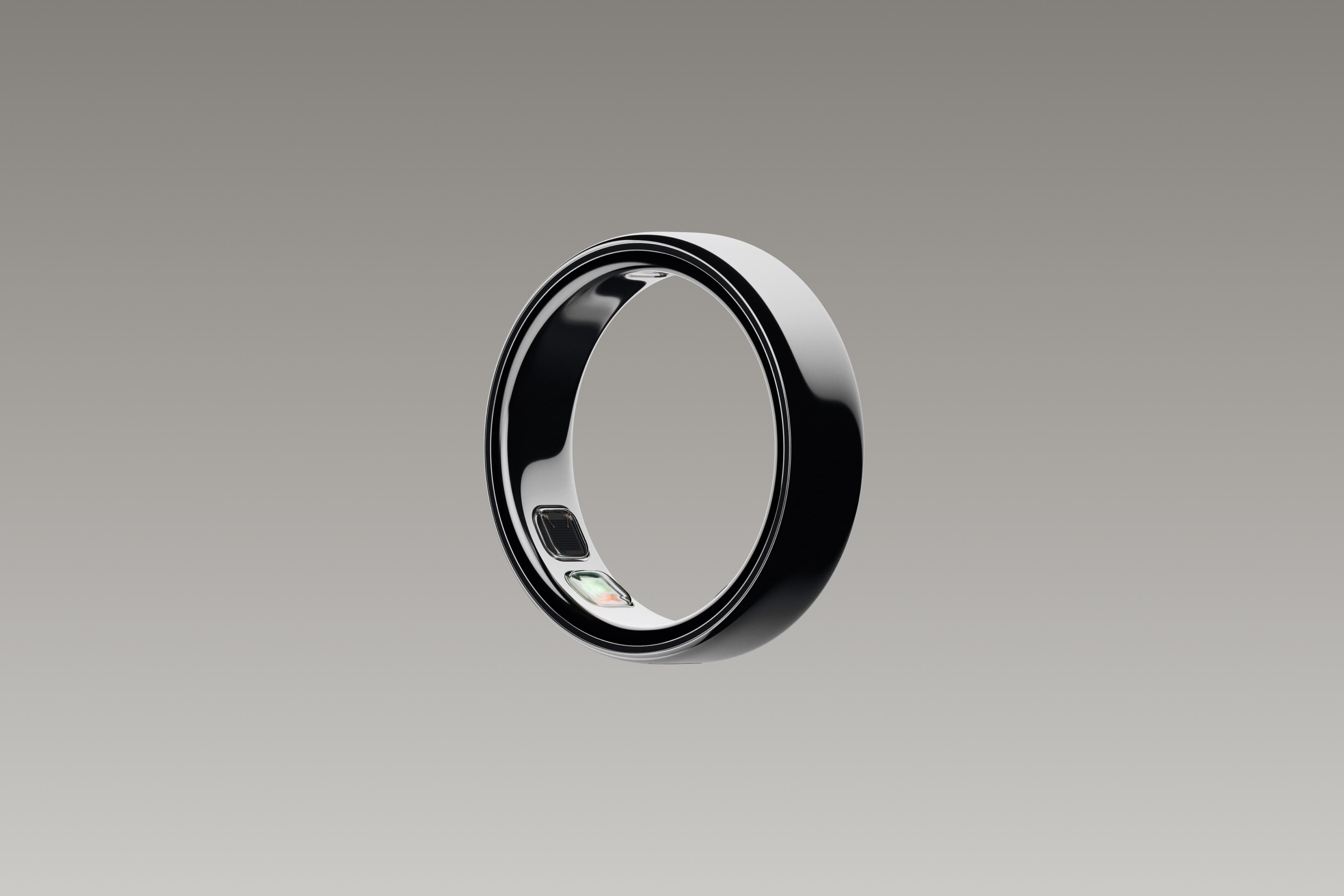
The Oura Ring offers a discreet way to track activity, sleep, and signs of stress, and the Oura app can integrate glucose readings from Dexcom Stelo, an over-the-counter CGM for use by adults with type 2 who don't use insulin.
The Oura Ring monitors a wide range of health and fitness data, including motion, heart rate, and heart rate variability, which are used as part of its measures to track sleep quality. The ring also combines temperature, movement, and heart data to provide stress and recovery insights. The company says temperature can also be used to track menstrual cycles, which can impact glucose levels.
Battery life: From five to nine days
Cost: $349-$449. Most insights require a membership, which costs $5.99 per month or $69.99 per year.
 6. WHOOP Band
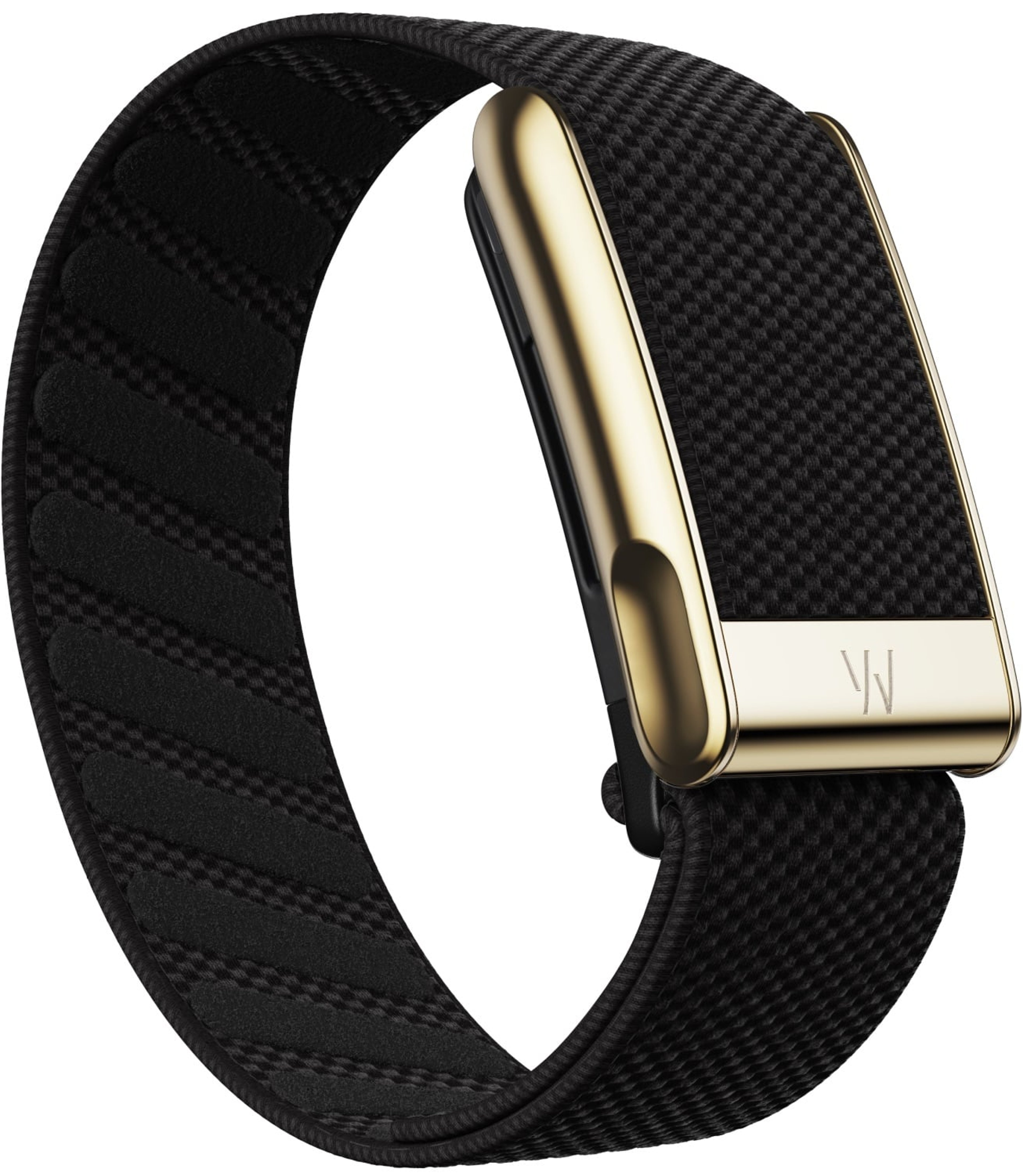
The Whoop band is another fitness tracker with no display and resembles a watch band. The band's sensors can monitor sleep, exercise strain, stress, and heart rate.
The app provides a daily Recovery score based on measures including heart rate variability, resting heart rate, respiratory rate, and sleep. Its Journal feature lets users log factors such as meal timing, alcohol, medication use, and exercise to see how they may be associated with sleep and recovery over time.
Battery life: The WHOOP 5.0 rechargeable battery lasts about 14 days. Earlier models like the 4.0 last five days.
Cost: The band requires a membership for most features, and a more expensive plan includes an upgraded device, but there's no up-front cost for the band itself. The cost ranges from $199 to $359 per year, depending on the features and device.
The bottom line
Wearable devices can help support diabetes management by tracking other health measures that can impact glucose. Some pair with a smartphone and CGM to display glucose readings, and all can help track activity, sleep, and stress, which can affect blood sugar management.
Reviewing glucose changes alongside other health measures may help identify patterns and offer insights to discuss with a healthcare provider.
Learn more about diabetes technology here: