
twiist: How It Works, Features, Latest Updates
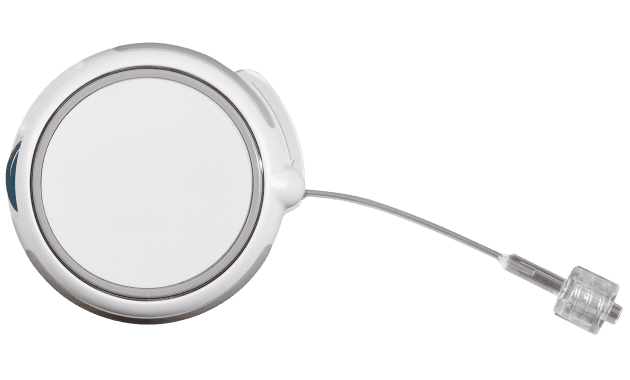
The twiist automated insulin delivery system is based on Tidepool Loop, a user-friendly algorithm that grew out of the open-source diabetes community. Approved for people with type 1 diabetes ages 6 and up, twiist automates dosing, allows users to set a glucose target as low as 87 mg/dL, and offers meal presets to better deal with different food types (pizza, for example).
Since its approval in 2025, Sequel Med Tech has expanded continuous glucose monitoring options for its twiist AID system. Initially compatible only with Abbott's FreeStyle Libre 3 Plus, access expanded in 2026 to include the Eversense 365 – the only CGM that offers a full year of continuous wear.
Notably, twiist uses the Deka insulin pump, which precisely measures both the volume (amount) and flow (speed) of each insulin dose. This allows for more accurate insulin dosing, which can lead to improved glucose management and better health. twiist is also the first FDA-approved AID system that can be directly controlled by an Apple Watch.
Also in 2026, Sequel announced a new choice for operating the twiist: Diabeloop's DBLG2 algorithm, which only requires a user to enter their weight and total daily insulin. The system adapts insulin delivery over time based on glucose trends and insulin history.
“I am excited to see another AID pump as an option for our patients, as there is no one choice for people with diabetes,” said Dr. Natalie Bellini, clinical assistant professor of medicine at Case Western Reserve University in Ohio.
What is the twiist system?
All AID systems consist of three parts: an insulin delivery device, an algorithm, and a continuous glucose monitor (CGM). The twiist includes the following components:
- The Deka insulin pump, which is approved for use with the rapid-acting insulin Humalog. The reservoir holds 300 units and is disposable, while the rest of the pump can be reused for up to three years.
- The twiist Loop algorithm, which automatically adjusts insulin delivery based on CGM readings and includes several innovative features – more on this below. Future support is planned for the Diabeloop DBLG2 algorithm.
- A compatible CGM sensor (FreeStyle Libre 3 Plus or Eversense 365).
The Deka insulin pump uses sound waves to measure the volume and flow of insulin, whereas other insulin pumps rely on proxies such as pressure sensors or the number of clicks and turns.
Specifically, the Deka pump takes four measurements and precisely calculates the amount of insulin delivered with each dose. A first measurement is taken when the chamber is empty, another when it is filled with insulin, a third to confirm the filled amount, and a final measurement once the insulin dose is delivered. The difference between the second measurement (full chamber) and the final measurement (empty chamber) is the actual dose delivered.
“The twiist AID system reimagines how insulin is measured and delivered for more personalization with a simpler design,” said Dean Kamen, president and founder of Deka, who is also well known for developing the first insulin pumps and the Segway. “I believe the twiist AID system will set a new standard for precise, dependable insulin delivery going forward.”
Key features of the twiist
Some may worry that using the twiist system requires users to be tech-savvy.
“You don't need to be an 'uber' tech user to take advantage of the system,” said Jeanne Jacoby, senior director of medical affairs at Sequel. “Like other AID systems, the system will work best when a user announces their meals by entering carbs. Day-to-day use of the system is not complicated.”
Lower targets for better time in range
With the twiist Loop algorithm, users can set targets as low as 87 mg/dL. This is considerably lower than other AID systems. Setting a lower target glucose is key to achieving tighter glycemic control.
A bounty of bolus options
Bellini highlighted the ability to distinguish the type of carbs that will be consumed as a key aspect of the system. For example, there are settings such as ‘lollipop’ for rapid-acting carbs, ‘taco’ for moderate carb/fat/protein foods, and ‘pizza’ for higher fat/protein carbs. These settings change the timing of insulin delivery, since not all carbs behave the same.
Additionally, the system includes a “pre-meal preset” mode to lower the glucose target before meals and reduce post-meal blood sugar spikes.
twiist also allows users to adjust carb entries proactively (before eating) and retroactively (after eating). This feature addresses the unpredictability of real life with diabetes – sometimes, you eat more or less than you intended.
Precise dosing for better glucose control
The twiist system allows for very small doses of insulin – less than 1 unit for more precise blood sugar control.
As glucose levels rise, the system will deliver an exact number of insulin, such as 0.3 units or 1.2 units, to bring glucose back to target based on the user's insulin sensitivity factor – how much one unit of insulin is expected to lower blood sugar.
What’s next?
The new system officially became available in the U.S. on July 7, 2025. Sequel’s co-founder and CEO Dr. Alan Lotvin noted that the company plans to make the device available in pharmacies with a pay-as-you-go model for greater access and affordability.
According to Christopher Gilbert, VP of Marketing at Sequel, offering insulin delivery systems in pharmacies is often smoother for both patients and healthcare providers, and usually only involves a co-payment. Sequel’s goals are to remove cost as a barrier for people looking to start on an AID system and to allow people with diabetes to get started quickly, without making a long-term commitment, Gilbert said.
In contrast, commercial insulin pumps typically involve a four to five-year commitment and must be purchased through Durable Medical Equipment suppliers (i.e., Advanced Diabetes Supply, Byram Healthcare).
Ultimately, the system marks a step forward for AID by allowing users greater choice and customization.
Learn more about automated insulin delivery: