
Prediabetes

Prediabetes occurs when your blood glucose levels are higher than normal but not high enough to be diagnosed as type 2 diabetes. It often has no symptoms.
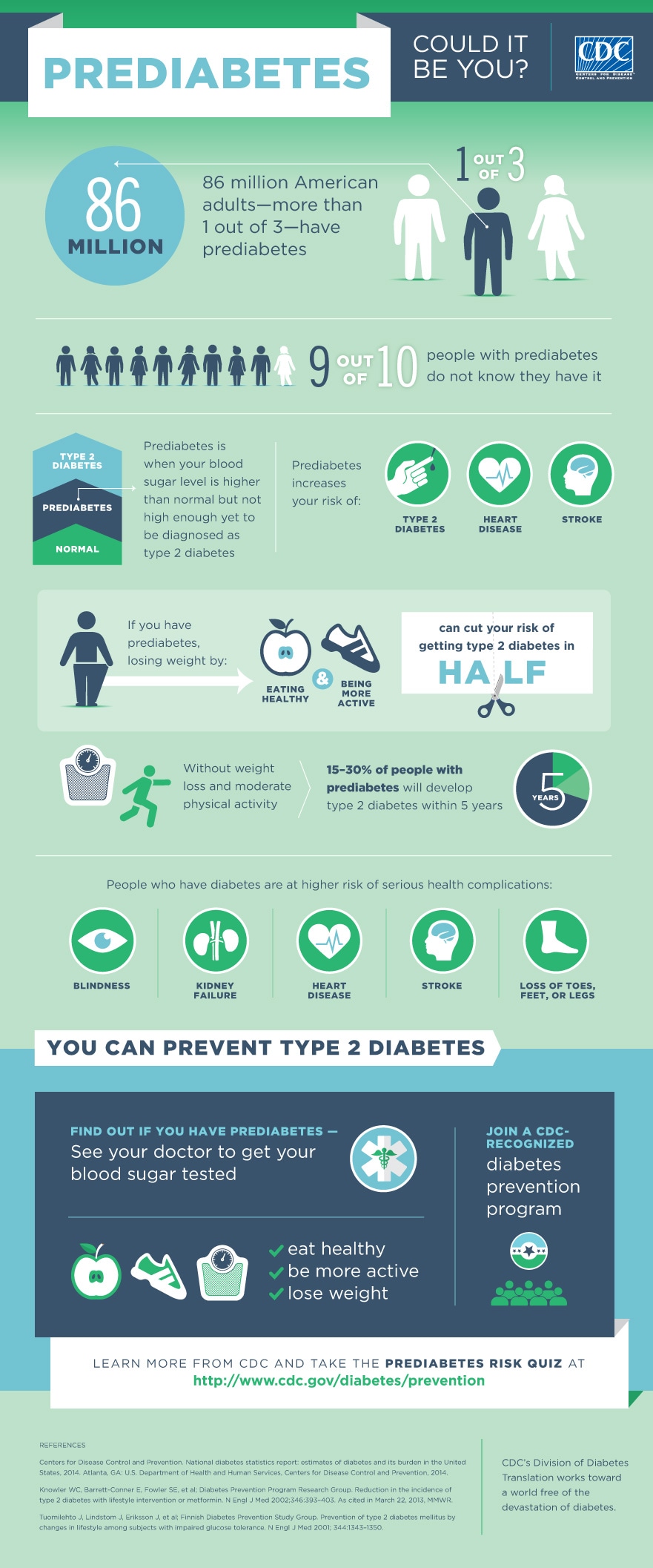
Many people have heard about type 2 diabetes, but its common precursor, prediabetes, doesn’t get as much attention. Prediabetes affects approximately 88 million adults in the US, and an estimated 84% of people with prediabetes don’t know they have it. According to the CDC, 15-30% of these individuals will develop type 2 diabetes within five years. In other words, more than 26 million people who currently have prediabetes could develop type 2 diabetes by 2026.
Prediabetes is a condition where a person’s blood sugar levels are higher than the normal range (less than 5.7%), but not high enough to be diagnosed as type 2 diabetes (6.5% or greater). This occurs when the body has trouble making insulin as well as using the insulin it does make effectively, and glucose starts to build up in the bloodstream instead of fueling the body’s cells. Insulin is the hormone that tells most of the cells in the body to take up glucose. In prediabetes, people typically have insulin resistance (when the body’s cells don’t respond to insulin as well) and don't make enough insulin. If no actions are taken, over time their ability to make insulin continues to be reduced. When this happens, prediabetes can progress to type 2 diabetes.
What are common symptoms of prediabetes?
People typically do not experience symptoms of prediabetes, which partly explains why millions of people don’t know they have it. The American Diabetes Association reports that some people with prediabetes may develop symptoms of type 2 diabetes, though even people diagnosed with type 2 diabetes can show few or no symptoms at diagnosis.
Why do people develop prediabetes?
Prediabetes develops through a combination of factors that are still being investigated. Lifestyle factors, such as food, exercise, stress, and sleep play a role, as do aging, family history and even genetics. Prediabetes is not simply the result of high body weight – though obesity is one underlying cause of insulin resistance. Many individuals with excess weight may never develop prediabetes or type 2 diabetes, while some people with prediabetes never have excess weight.
Can prediabetes be reversed?
In the early stages of prediabetes (and even type 2 diabetes), careful attention to food choices, activity, and weight loss can improve blood sugar levels, effectively reversing the condition and reducing the chances of developing type 2 diabetes.
However, this isn’t possible for everyone – some people may not be able to commit to such intensive lifestyle changes, and others have underlying factors such as family history and genetics that put them at a greater risk of type 2 diabetes, meaning they will always need to pay attention to blood sugar levels and lifestyle choices. Each person’s diabetes journey is different; making small steps toward achievable goals is a great place to start.
How is prediabetes diagnosed?
Prediabetes can be diagnosed through a number of tests:
- An A1C test, (also called a glycated hemoglobin test or HbA1C test) gives an estimate of a person’s average blood sugar levels from the past two or three months. It is measured by a blood sample taken in a healthcare office, hospital, or laboratory.
- A fasting plasma glucose (FPG) test measures a person’s blood glucose level after a period of fasting (not eating) for eight hours. The test is a blood test typically done in the morning. If the test indicates prediabetes, a second test should be taken on a different day to confirm the diagnosis.
- An oral glucose tolerance test (OGTT) measures the body's blood glucose level two hours after consuming a sugary drink.
See below for more diagnostic information on the A1C, FPG, and OGTT tests.
Will I get prediabetes if it runs in my family?
Your risk of prediabetes increases if you have a parent or sibling with type 2 diabetes.
Who is at risk for developing prediabetes?
People with obesity or excess weight (a BMI above 25 kg/m2) who are older are at a significantly greater risk for developing prediabetes, as well as people with a family history of type 2 diabetes. New guidelines encourage screening for diabetes and prediabetes starting at age 35 for people with overweight or obesity. Several other factors can influence prediabetes risk:
- Some racial and ethnic groups show higher rates of diabetes at younger ages and lower BMIs.
- A history of diabetes during pregnancy (called gestational diabetes) or giving birth to a baby weighing nine pounds or more.
- Reduced physical activity – people who are physically active less than three times per week.
The CDC offers a fast, online screening test for evaluating someone’s risk for prediabetes. The ADA also offers a screening test to assess your risk for type 2 diabetes. These tests cannot confirm a prediabetes diagnosis, but they can indicate if you may be at higher risk for developing it.
All adults over the age of 45 should be screened for type 2 diabetes (which also checks for prediabetes) at least every three years, regardless of other risk factors.
Is it my fault for getting prediabetes?
No. Prediabetes is not your fault. Many complex factors, including family history and genetics, play an important role in whether or not someone develops prediabetes.
Know that it is normal to experience a range of emotions, which might include shock, denial, and disbelief, after being diagnosed with prediabetes.
Why do I have prediabetes if I'm not overweight?
Lifestyle factors, such as food, exercise, stress, and sleep play a role, as do aging, family history and even genetics. Prediabetes is not simply the result of high body weight – though obesity is one underlying cause of insulin resistance.
Diagnostic Information for Prediabetes Tests
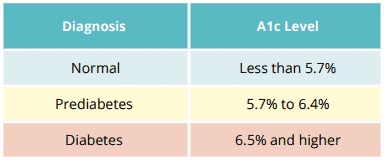
A1C test
Normal: Less than 5.7%
Prediabetes: 5.7-6.4%
Diabetes: 6.5% and above
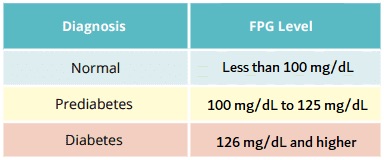
Fasting Plasma Glucose test
Normal: Less than 100 mg/dl
Prediabetes: 100-125 mg/dl
Diabetes: 126 mg/dl and above
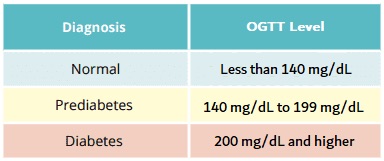
Oral Glucose Tolerance test
Normal: Less than 140 mg/dl
Prediabetes: 140-199 mg/dl
Diabetes: 200 mg/dl and above
Latest Articles on Prediabetes
See All Prediabetes News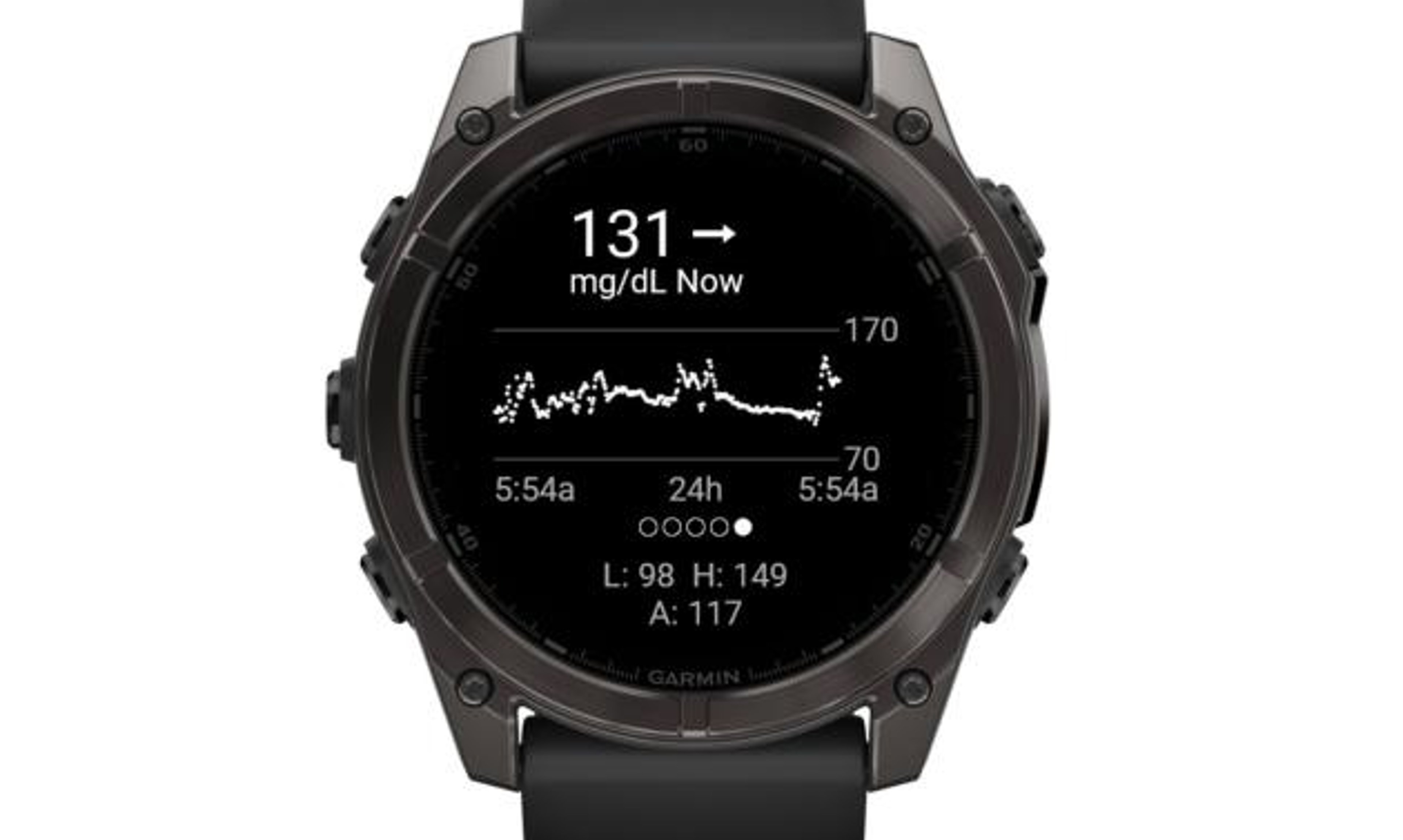
6 Wearables for Better Diabetes Management

Ask the Endo: All Your Diabetes Questions Answered

How To Lose Weight and Keep It Off
Key takeaways: * Weight management is important for blood sugar management, preventing long-term complications, and overall health and wellness. * While weight loss can be challenging, working with a healthcare provider or diabetes educator to develop a plan can help you reach your body weight goals. * For sustainable weight management, focus on small, achievable goals, cultivate a support network, and discuss treatment options with a healthcare provider.

6 Ways to Naturally Lower Blood Sugar
Keeping blood sugars in balance is crucial for people with diabetes. Fenugreek, apple cider vinegar, and supplements like fiber and zinc are all-natural treatments that may help lower glucose levels.